Introduction
Can cold water improve your health and focus? Many people now try Cold Water Therapy to feel stronger and more energized.
The Wim Hof Method combines breathing, mindset, and Cold Water Therapy.In this article, you will learn how it works, its benefits, and how beginners can start safely.
What Is the Wim Hof Method in Cold Water Therapy?
The Origins of the Wim Hof Method
In the past, humans regularly experienced cold weather and temperature changes. Today, heated homes and controlled environments limit that exposure. The Wim Hof Method attempts to restore that balance through breathing exercises and Cold Water Therapy. People typically begin with simple cold showers. As their tolerance improves, they may move to ice baths or cold plunges. The gradual process allows the body to adapt safely while building physical and mental strength.
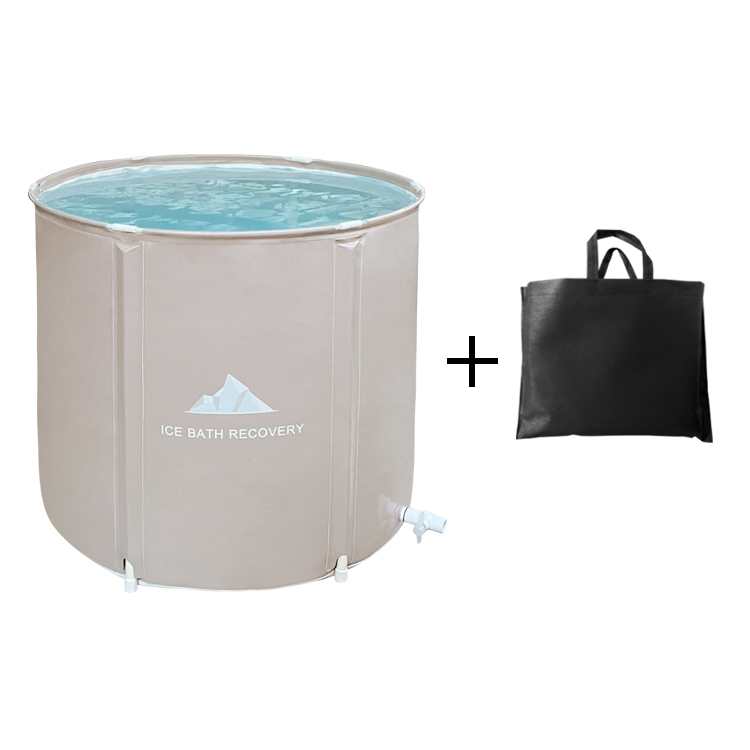
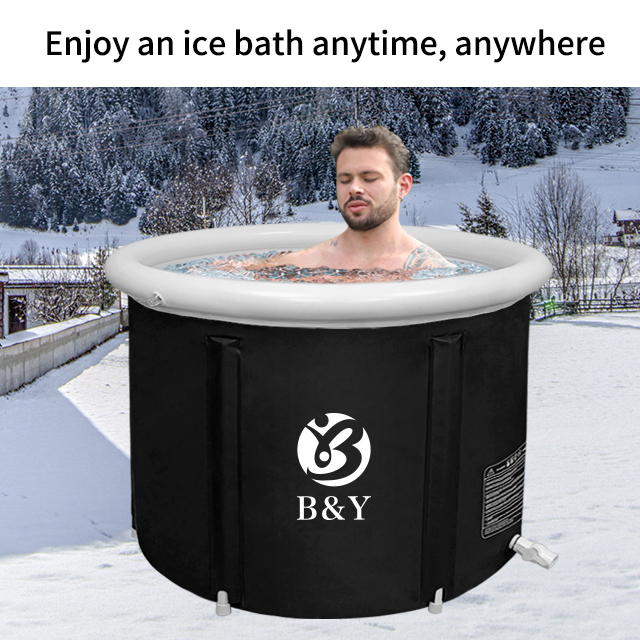
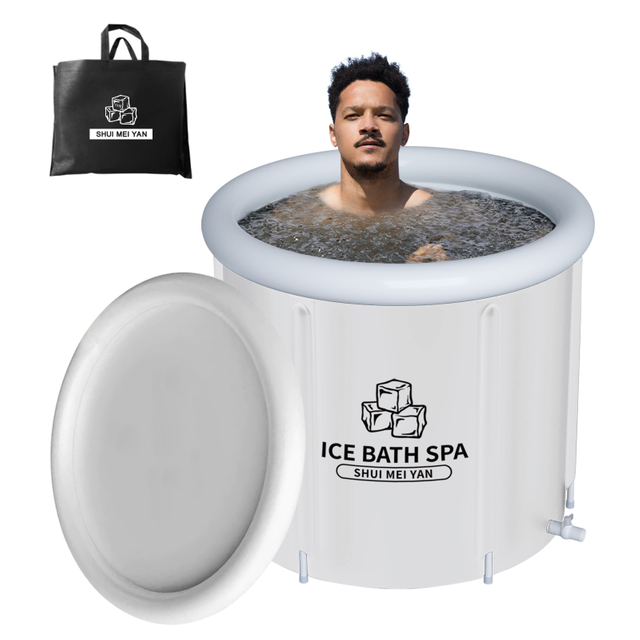
Today, Cold Water Therapy is no longer limited to professional athletes. Many people practice it in home gyms, gardens, or outdoor training areas. Portable ice bath tubs, including those produced by wellness manufacturers like Binyuan, make the process convenient for beginners who want to explore cold immersion without complicated setups.

The Three Pillars of the Wim Hof Method
Breathing Techniques
Breathing exercises are usually the first step in the method. These exercises help the body relax and prepare for the shock of cold exposure.
Typical breathing practice often follows a simple structure:
● Take deep breaths through the nose or mouth, filling the lungs completely.
● Release the breath naturally without forcing the air out.
● Repeat the breathing cycle about thirty times in a steady rhythm.
● After the final breath, hold the exhale briefly before inhaling deeply again.
These breathing exercises help regulate the nervous system. Many practitioners report increased focus, energy, and calmness after completing several rounds. This preparation makes Cold Water Therapy easier to handle because the body enters the cold water in a relaxed state.
Cold Exposure through Cold Water Therapy
Cold exposure forms the physical core of the Wim Hof Method. Cold Water Therapy exposes the body to low temperatures for a short period. The sudden drop in temperature activates several physiological responses that influence circulation and inflammation.
Common effects of Cold Water Therapy include:
● Blood vessels constrict temporarily during cold exposure, directing blood toward vital organs.
● Circulation improves after leaving the cold environment, helping transport oxygen and nutrients through the body.
● Muscles may recover faster after intense physical activity due to reduced inflammation.
● The body releases endorphins, which can improve mood and alertness.
Commitment and Mental Discipline
The final pillar of the method is commitment. Cold adaptation happens gradually, so regular practice is important. The body needs time to learn how to respond to cold stress without discomfort or panic.
Commitment also strengthens mental resilience. Entering cold water requires focus and patience. The first seconds often feel intense, but controlled breathing helps the body settle into the experience. Over time, practitioners become more comfortable and confident during Cold Water Therapy sessions.
How the Wim Hof Method Connects to Cold Water Therapy
Cold Water Therapy plays a central role in the Wim Hof Method because it provides the physical stimulus that triggers adaptation. When the body enters cold water, it immediately reacts to maintain internal temperature. This reaction involves the nervous system, circulation, and metabolic activity.
People often progress through different types of Cold Water Therapy as their tolerance improves:
Cold Water Therapy Method | Temperature Range | Typical Duration |
Cold Shower | 10–15°C (50–59°F) | 30 seconds – 2 minutes |
Cold Plunge | 7–13°C (45–55°F) | 2 – 5 minutes |
Ice Bath | 0–7°C (32–45°F) | 3 – 10 minutes |
How Cold Water Therapy Works in the Wim Hof Method
The Science Behind Cold Water Therapy
Cold Water Therapy works by exposing the body to controlled cold environments. When we enter cold water, the body reacts immediately. Blood vessels near the skin tighten. This response pushes blood toward the core organs. The body tries to maintain a stable internal temperature. This reaction triggers a survival mechanism that humans have used for thousands of years.
The relationship between cold exposure and body response can be understood more clearly below.
Cold Exposure Response | What Happens in the Body | Possible Benefit |
Blood vessel constriction | Circulation moves toward internal organs | Protects core temperature |
Hormone release | Adrenaline and norepinephrine increase | Improves alertness and energy |
Metabolic activation | Brown fat generates heat | Supports energy regulation |
Circulation rebound | Blood flow increases after exposure | Helps muscle recovery |
Physiological Effects of Cold Water Immersion
Cold water immersion affects the body in several noticeable ways. The most immediate effect is vasoconstriction, which occurs when blood vessels narrow. This response limits blood flow to the skin and extremities. It helps preserve heat in the body’s core. Once the cold exposure ends, circulation increases again, sending oxygen-rich blood back through muscles and tissues.
Several physical responses occur during Cold Water Therapy sessions:
● Increased oxygen transport through improved circulation
● Temporary reduction in muscle inflammation
● Enhanced nervous system alertness
● Faster recovery following intense physical activity
These reactions explain why Cold Water Therapy has become popular among athletes and wellness enthusiasts.

Mental and Emotional Effects of Cold Water Therapy
Cold Water Therapy does not only influence the body. It also affects mental and emotional states. Entering cold water requires focus and controlled breathing. The experience forces the mind to remain present. Many practitioners describe a strong sense of awareness during cold immersion.
One reason is the release of endorphins. Cold exposure stimulates the brain to produce these natural chemicals. Endorphins can improve mood and reduce feelings of stress. Some people report feeling energized and positive after even a short Cold Water Therapy session.
How to Practice the Wim Hof Method with Cold Water Therapy
Preparing for Cold Water Therapy
Before starting the Wim Hof Method, preparation matters. Cold Water Therapy places short stress on the body. A safe environment helps the body adapt gradually. Choose a quiet space where you can focus on breathing. It may be a bathroom, gym area, or outdoor recovery corner. The key is stability and comfort before entering cold water.
Several factors help create a safe Cold Water Therapy setup:
● Stable surroundings
The floor should not be slippery. Towels and warm clothes should stay nearby. A warm area nearby helps the body recover after immersion. Practicing in a calm environment also helps control breathing and mental focus.
● Basic cold immersion equipment
Many beginners start with a cold shower. Others prefer tubs or portable plunge pools. A dedicated ice bath tub allows consistent water levels and easier full-body immersion.
● Water temperature awareness
Beginners should not start with extreme cold. Gradual exposure allows the body to adapt safely. Water temperature usually stays between cool and cold ranges depending on experience.The following table shows typical temperature levels used during Cold Water Therapy sessions.
Cold Water Therapy Type | Typical Temperature | Recommended Beginner Time |
Cool Shower | 15–18°C (59–64°F) | 30–60 seconds |
Cold Shower | 10–15°C (50–59°F) | 1–2 minutes |
Cold Plunge | 7–12°C (45–54°F) | 2–4 minutes |
Ice Bath | 0–7°C (32–45°F) | 3–5 minutes |
Step-by-Step Wim Hof Breathing Technique
Deep breathing cycles
This phase begins with steady inhalation and relaxed exhalation. The lungs fill completely during each breath. Air leaves naturally without pushing it out. The rhythm should feel strong but comfortable.
Typical breathing rhythm often follows this pattern:
● Inhale deeply through the nose or mouth.
● Exhale gently without forcing air out.
● Repeat this cycle around thirty times.
● Maintain a steady rhythm while staying relaxed.
Breath retention phase
After the final exhale, breathing pauses briefly. The lungs remain empty for several seconds. During this phase, the body adjusts to lower carbon dioxide levels. The nervous system shifts toward relaxation.
Recovery breathing
The recovery breath ends the breathing round. A deep inhale fills the lungs completely. That breath stays inside for about fifteen seconds. Then the air releases slowly. The body often feels calm and energized after this stage.
Breathing rounds usually repeat several times. A full breathing session may last fifteen to twenty minutes. After completing the breathing phase, the body feels ready for Cold Water Therapy.
Performing a Cold Water Therapy Session
A typical Cold Water Therapy session often follows these steps:
1. Entering the water slowly
Start by stepping in with the feet. Allow the legs to adjust first. Gradually lower the body until the water reaches the waist or chest. Full immersion often reaches shoulder height for maximum effect.
2. Stabilizing breathing during immersion
The first seconds may feel intense. Breathing becomes the main tool for control. Slow inhales and relaxed exhales calm the nervous system. Focus on steady breathing rather than the cold sensation.
3. Maintaining the immersion period
Beginners usually stay in cold water for one or two minutes. With experience, immersion may extend to five minutes. The body gradually adapts and the initial shock fades.Common sensations during Cold Water Therapy include:
● Rapid breathing during the first seconds
● Tingling or numbness in the skin
● Gradual calm once breathing stabilizes
● A feeling of warmth returning after leaving the water
Some people prefer structured cold immersion sessions. These sessions combine breathing rounds and timed cold exposure.
A simple routine may look like this:
Session Stage | Activity | Approximate Time |
Breathing Preparation | Deep breathing cycles | 10–15 minutes |
Entry Phase | Gradual immersion | 20–30 seconds |
Cold Exposure | Maintain calm breathing | 1–3 minutes |
Recovery | Dry off and warm naturally | 5–10 minutes |
Benefits and Risks for Cold Water Therapy
Potential Health Benefits of Cold Water Therapy
Several benefits are commonly associated with regular cold immersion:
● Reduced inflammation and muscle soreness
Cold temperatures cause blood vessels to tighten. This process helps limit swelling in muscles and joints. When the body warms again, circulation increases and oxygen flows back into tissues. Many athletes report less soreness after Cold Water Therapy sessions.
● Improved circulation and immune support
Cold exposure shifts blood toward the body's core. After leaving the water, blood flow increases again. This circulation cycle may help transport nutrients and oxygen through the body.
Some studies suggest repeated Cold Water Therapy sessions may also support immune response.
● Better focus and energy levels
Cold water stimulates adrenaline and endorphin release. These chemicals help increase alertness and improve mood. Many practitioners feel refreshed and mentally clear after short Cold Water Therapy sessions.
Benefit | Body Response | Possible Result |
Reduced soreness | Blood vessel constriction | Faster muscle recovery |
Improved circulation | Blood flow rebound after cold exposure | Better oxygen delivery |
Increased energy | Hormone release during cold exposure | Alertness and focus |
Who Should Avoid Cold Water Therapy?
Groups who should use caution include:
● People with heart or blood pressure conditions
Cold exposure can increase heart rate and blood pressure quickly. Individuals with cardiovascular issues should speak to a doctor first.
● Individuals with circulation or nerve disorders
Conditions affecting blood flow or nerve sensation may increase risk during cold immersion. Reduced sensation can make it harder to recognize extreme cold.
● Pregnant individuals or those under medical treatment
Rapid temperature changes may affect the body differently during pregnancy or certain treatments. Medical guidance is recommended.
Conclusion
The Wim Hof Method combines breathing, focus, and Cold Water Therapy to build resilience and recovery. Many people use cold immersion to improve circulation, energy, and mental clarity. Portable ice bath tubs from Binyuan help users practice Cold Water Therapy easily at home while supporting safe and convenient wellness routines.
FAQ
Q: What is Cold Water Therapy in the Wim Hof Method?
A: Cold Water Therapy uses controlled cold exposure to improve circulation, resilience, and recovery.
Q: How do beginners start Cold Water Therapy?
A: Beginners start Cold Water Therapy with short cold showers, then progress to longer immersion.
Q: Why is breathing important before Cold Water Therapy?
A: Breathing helps the body relax and prepares it for Cold Water Therapy.
Q: How long should a Cold Water Therapy session last?
A: Most beginners practice Cold Water Therapy for one to three minutes.
Q: What equipment is used for Cold Water Therapy?
A: Many people use portable ice bath tubs for consistent Cold Water Therapy sessions.