Introduction
Ever wondered why athletes sit in freezing water? Ice Baths may look extreme. Yet many people use them for recovery.
In this article, we explore what Ice Baths are good for. You will learn how they support recovery, reduce soreness, and improve wellness.
What Are Ice Baths and How Do They Work?
What Is an Ice Bath?
Ice Baths are a form of cold water immersion therapy used for recovery and wellness. In simple terms, a person sits in a tub filled with cold water and ice for several minutes. The temperature usually stays between 10–15°C (50–60°F). Many athletes rely on Ice Baths after training because cold exposure changes how the body responds to stress. It slows certain physiological processes and helps muscles begin their recovery phase.
Cold exposure also activates the nervous system. Hormones such as adrenaline and noradrenaline may increase for a short period. These chemicals raise alertness and stimulate circulation. Many people notice they feel energized and mentally clear after Ice Baths because the body responds strongly to cold stimulation.
Ice Baths are commonly used in several situations:
● Post-exercise recovery: Athletes use them after intense training sessions to manage muscle soreness and fatigue. Cold immersion helps the body transition from stress to recovery.
● Physical therapy routines: Some individuals use Ice Baths to support recovery from minor strains or inflammation in muscles and joints.
● Wellness and resilience training: Cold exposure challenges the body and encourages people to develop tolerance to stress. Many wellness routines now include Ice Baths for this reason.
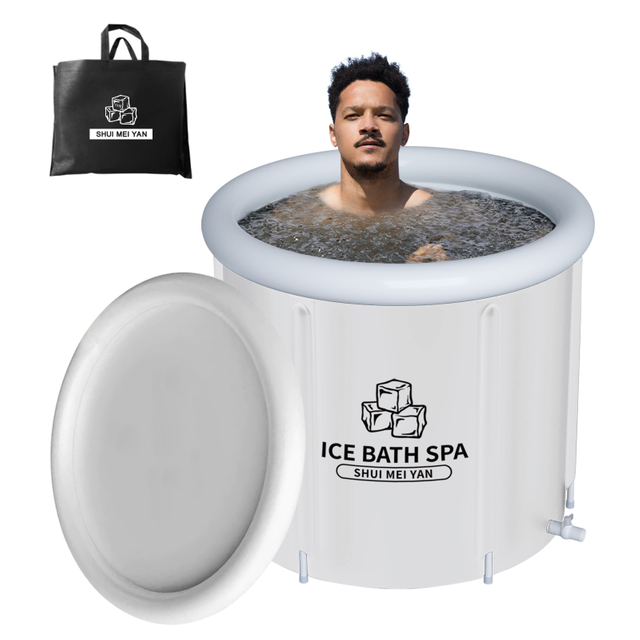
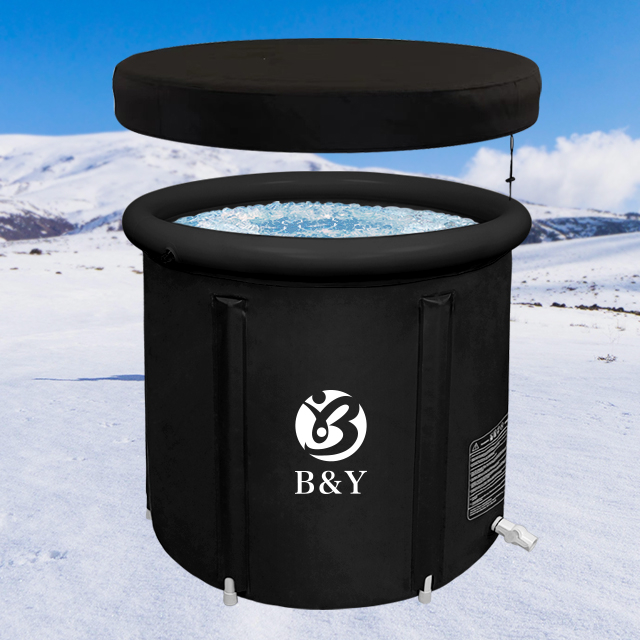
● Home recovery environments: Portable tubs make it possible to perform cold immersion therapy without professional facilities. Products such as Binyuan portable Ice Bath tubs allow athletes and wellness users to practice cold therapy conveniently in training spaces or at home.

Recommended Temperature and Duration
Using Ice Baths correctly is essential for both safety and effectiveness. Most recovery programs recommend clear limits for water temperature and immersion time. These guidelines help the body gain the benefits of cold exposure while minimizing potential risks.
For most people, Ice Baths last 5–10 minutes in water temperatures between 10–15°C (50–60°F). This temperature range is cold enough to stimulate circulation and metabolic changes without causing excessive stress. Beginners often start with shorter sessions and gradually build tolerance to the cold.
The following table shows typical Ice Bath guidelines used in recovery routines.
Factor | Typical Range | Practical Purpose |
Water Temperature | 10–15°C (50–60°F) | Produces the cold therapy effect |
Session Duration | 5–10 minutes | Allows recovery benefits while reducing risk |
Frequency | 2–4 sessions per week | Supports consistent training recovery |
Immersion Level | Waist to chest | Targets large muscle groups effectively |
Different training levels may influence how people use Ice Baths. Professional athletes may use them frequently after competitions or intense workouts. Recreational fitness users often use them occasionally as part of a recovery or wellness routine.
A simple Ice Bath routine usually follows a structured process:
● Prepare the tub: Fill the tub with cold water and add ice gradually until the temperature reaches the desired range. Allow the water to stabilize before entering.
● Enter slowly: Step into the water carefully so the body can adapt to the sudden temperature change. This helps reduce the shock response that often occurs in very cold water.
● Control breathing: Calm breathing helps maintain comfort during the session and allows the body to adjust to the cold environment.
● Warm up gradually: After leaving the tub, dry off and allow the body to warm naturally before returning to regular activity.
Why Athletes Use Ice Baths for Recovery
Reducing Muscle Soreness After Exercise
Intense training places stress on muscle fibers. Small tears develop during heavy exercise. They are part of the adaptation process. Yet they also lead to soreness and stiffness the next day. This condition is often called Delayed Onset Muscle Soreness (DOMS). Many athletes turn to Ice Baths to manage this recovery stage. Cold immersion slows metabolic activity in muscle tissues and may reduce the discomfort linked to micro-damage.
Athletes often integrate Ice Baths into a broader recovery plan:
● Immediately after intense exercise: Muscles are still warm and inflamed. Cold immersion can help slow swelling and reduce pain signals. It gives the body a recovery signal after physical strain.
● After competitions or tournaments: Multi-day events demand quick recovery. Ice Baths allow athletes to reset muscles between matches or training sessions.
● During high-volume training weeks: Frequent workouts produce accumulated fatigue. Cold therapy helps athletes manage muscle soreness and continue training consistently.
These recovery routines are easier today because portable tubs allow cold immersion outside professional facilities. For example, Binyuan Ice Baths are designed for full-body immersion and stable temperature control. Athletes can perform recovery sessions in gyms, training camps, or home environments without complicated equipment.
Lowering Inflammation and Swelling
Inflammation is a natural response to intense exercise. Muscles experience microscopic damage. Blood flow increases in the affected area. This process helps repair tissues, yet it also creates swelling and discomfort. Ice Baths may help control this reaction by cooling the affected muscles and slowing inflammatory processes.
Several physiological responses occur during Ice Baths:
● Vasoconstriction: Blood vessels tighten during cold exposure. This reduces fluid leakage into surrounding tissues.
● Reduced metabolic activity: Lower temperatures slow chemical reactions inside muscle cells. This helps control the inflammatory response after exercise.
● Temporary pain modulation: Cold temperatures can reduce nerve sensitivity. This may decrease the perception of pain or soreness.
The effect does not eliminate inflammation completely. The body still needs inflammation for muscle repair. Instead, Ice Baths help keep the process balanced so swelling does not interfere with training or mobility.
Improving Circulation After Immersion
Although cold water temporarily reduces circulation near the skin, the opposite effect occurs after leaving the bath. Once the body warms again, blood vessels reopen and circulation increases. This rebound effect helps move oxygen and nutrients toward recovering muscles.
The change between cold exposure and rewarming creates a pumping effect in the vascular system. Fresh blood flows into tissues while metabolic waste products move away. This process may support the body's natural repair mechanisms.
Recovery Stage | Circulation Response | Benefit for Athletes |
During Ice Bath | Blood vessels constrict | Helps reduce swelling and fluid buildup |
Immediately After | Blood vessels reopen | Circulation increases rapidly |
Recovery Phase | Oxygen and nutrients delivered | Supports tissue repair and recovery |
Supporting Consistent Training Performance
Recovery determines how often athletes can train. Muscles require time to repair after heavy exercise. If soreness and fatigue accumulate, performance may decline. Ice Baths help manage these recovery cycles so athletes can maintain consistent training schedules.
Many professional sports programs include structured recovery plans. These plans often combine cold immersion, rest, stretching, and nutrition strategies. Ice Baths play a role because they are simple and efficient. A short session can help athletes reset after demanding workouts.
Athletes often report several performance advantages when using Ice Baths regularly:
● Reduced post-workout discomfort: Muscles feel less stiff the following day. This allows athletes to return to training sooner.
● Improved readiness for repeated sessions: Tournaments and training camps require multiple performances in a short period. Cold immersion helps manage fatigue between events.
● Better psychological recovery: Ice Baths create a refreshing effect. Athletes often feel mentally reset after exposure to cold water.
Health Benefits of Ice Baths Beyond Sports
Pain Relief for Muscles and Joints
Cold therapy has been used for decades in physical recovery treatments. Doctors and therapists often apply cold packs to injured muscles or swollen joints. Ice Baths expand this idea to the whole body. Instead of cooling one small area, the entire lower body is exposed to cold water. This approach creates a stronger and more uniform cooling effect.
Ice Baths are often used by people experiencing everyday physical strain. They may help individuals who spend long hours standing, exercising, or performing repetitive movements. Some wellness routines also include cold immersion for recovery after hiking, cycling, or heavy manual work.
Common situations where Ice Baths may help relieve pain include:
● Post-exercise muscle fatigue: After intense workouts, muscles may feel tight and sore. Cold immersion can help calm irritated tissue and temporarily reduce discomfort.
● Joint stress from daily activity: Knees, ankles, and hips experience constant pressure during movement. Cold water exposure can reduce swelling around these joints.
● Minor inflammation after physical strain: Long training sessions or repeated motion sometimes create localized inflammation. Cold immersion helps manage this response while the body repairs itself.
Boosting Mood and Reducing Stress
Cold water immersion affects the nervous system almost immediately. When the body encounters cold temperatures, it reacts as a mild stressor. This reaction activates the sympathetic nervous system and triggers the release of several hormones. Among these chemicals are dopamine, endorphins, and adrenaline, which influence mood and alertness.
Many people describe feeling energized after a short Ice Bath session. This response happens because the body shifts from a stress reaction into a recovery state once the immersion ends. The contrast between cold exposure and rewarming stimulates the brain and can create a feeling of refreshment.
Supporting the Immune System
Regular exposure to cold temperatures may influence the body's immune response. Research on cold immersion suggests that repeated cold exposure can stimulate circulation and activate certain stress-related hormones. These physiological responses may encourage the immune system to adapt over time.
Several biological processes are associated with regular Ice Baths:
● Hormonal activation: Cold exposure stimulates stress hormones such as noradrenaline. These chemicals influence circulation and immune signaling.
● Circulation stimulation: The body redistributes blood during cold immersion. Improved circulation may support the movement of immune cells throughout the body.
● Metabolic adjustment: Cold exposure encourages the body to generate heat and regulate energy consumption. These processes can influence immune function indirectly.
The following table summarizes key physiological responses associated with Ice Baths and how they relate to immune support.
Cold Exposure Response | Body Reaction | Potential Benefit |
Increased circulation | Blood moves toward vital organs | Supports nutrient and immune cell transport |
Hormone activation | Release of stress-related hormones | Stimulates adaptive stress response |
Temperature regulation | Body generates heat to maintain balance | Encourages metabolic activity |
Additional Wellness Benefits of Regular Ice Baths
Improving Sleep Quality
Sleep plays a critical role in recovery and overall health. Many people discover Ice Baths while looking for ways to improve rest after stressful days or intense training. Cold exposure influences the autonomic nervous system, which helps regulate the body’s stress response and relaxation processes. When the body transitions from cold immersion back to normal temperature, it often shifts toward a calmer physiological state.
Several biological responses explain why Ice Baths may influence sleep patterns:
● Hormonal regulation: Cold exposure can trigger serotonin activity in the nervous system. Serotonin plays a role in regulating mood and sleep cycles. When its levels stabilize, the body may find it easier to relax before bedtime.
● Nervous system balance: Ice Baths challenge the body briefly. After the exposure ends, the parasympathetic nervous system becomes more active. This state encourages relaxation and supports deeper rest.
● Stress reduction: Cold immersion can reduce mental tension. Many people describe a calming effect after the session, which may make it easier to unwind before sleep.
Some individuals include Ice Baths as part of their evening wellness routine. After a short cold immersion session, they often follow up with light stretching or hydration. This sequence encourages the body to transition from activity toward recovery.

Activating Brown Fat and Metabolism
Cold exposure affects the body’s energy system in interesting ways. One important factor is brown adipose tissue, commonly called brown fat. Unlike regular white fat, brown fat burns energy to produce heat. When the body encounters cold temperatures, this tissue becomes more active in order to maintain body temperature.
Brown fat plays several roles in the body’s metabolic system:
● Heat generation: Brown fat converts stored energy into heat. This helps maintain body temperature during cold exposure and supports thermal balance.
● Energy consumption: Active brown fat uses glucose and fatty acids as fuel. This process increases the body’s overall energy expenditure.
● Metabolic stimulation: Regular cold exposure may encourage brown fat activity over time, which can support long-term metabolic efficiency.
The table below illustrates how cold exposure through Ice Baths may influence metabolism.
Cold Exposure Factor | Body Response | Potential Effect |
Low water temperature | Brown fat becomes active | Increased heat production |
Energy demand | Body burns stored nutrients | Higher energy expenditure |
Repeated exposure | Brown fat activity improves | Enhanced metabolic efficiency |
Conclusion
Ice Baths support recovery, reduce soreness, improve mood, and boost circulation. Regular cold immersion may also improve sleep and metabolism. Binyuan provides portable Ice Baths designed for comfort, durability, and easy home recovery use.
FAQ
Q: What are Ice Baths used for?
A: Ice Baths help reduce soreness, improve recovery, and support circulation after intense exercise.
Q: How long should Ice Baths last?
A: Most Ice Baths last 5–10 minutes at about 10–15°C for safe recovery benefits.
Q: Why do athletes use Ice Baths after workouts?
A: Athletes use Ice Baths to manage soreness and recover faster between training sessions.
Q: Can Ice Baths improve sleep?
A: Yes, Ice Baths may relax the nervous system and help promote deeper sleep.
Q: Are portable Ice Baths effective?
A: Portable Ice Baths, like those from Binyuan, allow convenient cold immersion recovery at home.