Introduction
Why do athletes step into freezing water after training? Ice Baths look uncomfortable, yet many athletes swear by them. Ice Baths are widely used for muscle recovery and performance support. They may reduce soreness and improve circulation after exercise.
In this article, you will learn why athletes take Ice Baths, how they work, and how cold water therapy supports recovery.
What Are Ice Baths and Cold Water Immersion?
Definition of Ice Baths and Cold Plunge Therapy
Ice Baths refer to a recovery technique where athletes sit or immerse their bodies in very cold water for a short period after intense exercise. The water is typically filled with ice or cooled to a low temperature. The goal is simple. Cold exposure slows certain physiological processes in the muscles and helps reduce inflammation after demanding workouts. Many athletes use Ice Baths to manage soreness, fatigue, and swelling that occur after long training sessions or competitions.
Several physiological responses explain why Ice Baths are widely used in sports recovery:
● Reduced muscle inflammation
Cold temperatures slow cellular activity and limit swelling in stressed muscle tissues. This effect may help athletes feel less soreness during the recovery phase after demanding workouts.
● Improved circulation after immersion
Blood vessels contract in the cold water and expand again when the body warms. This cycle can stimulate circulation and support nutrient delivery to recovering muscles.
● Lower metabolic activity in muscles
Cold conditions reduce metabolic reactions inside tissues. Slower activity may limit muscle breakdown during the early stages of recovery.
● Mental refreshment and alertness
Many athletes describe a strong sense of mental clarity after cold immersion. The sudden temperature change stimulates the nervous system and increases alertness.Modern recovery solutions make cold immersion easier to access.

Typical Ice Bath Temperatures and Duration
Although Ice Baths may appear simple, athletes usually follow specific guidelines for water temperature and immersion time. Proper temperature ensures that the body experiences the benefits of cold exposure without unnecessary risk. Most sports recovery protocols recommend water temperatures between 10°C and 15°C (50–59°F). This range is cold enough to trigger physiological responses while remaining safe for short immersion sessions.
Duration also plays an important role. Athletes commonly remain in Ice Baths for 5 to 15 minutes, depending on training intensity and personal tolerance. Beginners often start with shorter sessions and gradually extend the time as their body adapts to the cold. Longer exposure does not necessarily improve recovery and may increase the risk of hypothermia.
Several factors influence how Ice Baths are used in practice:
● Training intensity
After endurance events or heavy resistance training, athletes may choose longer immersion sessions to reduce muscle fatigue.
● Cold tolerance
Individuals respond differently to cold exposure. Some athletes adapt quickly, while others need shorter sessions to avoid discomfort.
● Water temperature stability
When the water temperature drops closer to 10°C, shorter immersion times are recommended to maintain safety.
● Recovery goals
Athletes focusing on quick recovery between competitions may use Ice Baths more frequently than those training for long-term muscle growth.
Why Do Athletes Take Ice Baths After Training?
Reducing Muscle Soreness and Delayed Onset Muscle Soreness (DOMS)
After intense exercise, muscles often experience small tears in their fibers. This process is normal and part of how the body builds stronger tissue. However, it also causes Delayed Onset Muscle Soreness (DOMS), which usually appears between 12 and 72 hours after training. Athletes often feel stiffness, tenderness, and limited movement during this recovery period. Ice Baths are widely used to manage these symptoms because cold exposure can slow inflammatory responses in the body.
Athletes often report the following benefits after using Ice Baths:
● Lower perceived muscle pain
Cold temperatures reduce nerve sensitivity in the affected areas. This can make muscles feel less painful during early recovery stages.
● Reduced tissue swelling
Inflammation often accompanies muscle damage after intense exercise. Cold immersion may slow inflammatory activity and limit fluid buildup.
● Better mobility the next day
Many athletes feel less stiffness after cold water immersion, allowing them to move more comfortably during their next training session.
● Improved short-term comfort during recovery
Even when physiological effects vary, the cooling sensation can create a feeling of relief for tired muscles.
Recovery Method | Primary Effect | Typical Use Timing |
Ice Baths | Reduce inflammation and muscle soreness | Immediately after intense workouts |
Gentle Stretching | Maintain flexibility and reduce stiffness | Post-exercise or next day |
Massage Therapy | Improve blood flow and muscle relaxation | Recovery sessions |
Active Recovery | Light activity improves circulation | Between training sessions |
Faster Recovery Between Workouts and Competitions
Athletes who train frequently must recover quickly. Competitions sometimes take place across several days, especially in tournaments, endurance races, or multi-stage events. During these situations, the body has limited time to restore energy and repair muscle tissue. Ice Baths are commonly used because they may help athletes feel ready for their next performance sooner.
Athletes often rely on Ice Baths between intense training sessions for several reasons:
● Reduced recovery time between workouts
● Lower fatigue during multi-event competitions
● Improved readiness for the next performance
● Support for endurance athletes
Improving Circulation and Removing Metabolic Waste
Another reason athletes take Ice Baths is the effect cold water has on blood circulation. When the body enters cold water, blood vessels tighten to preserve heat in vital organs. This reaction reduces blood flow in peripheral tissues such as arms and legs. After the athlete exits the bath, the body begins to warm again. Blood vessels expand, and circulation increases rapidly.
This cycle of contraction and expansion may support recovery in several ways. It helps move metabolic byproducts away from muscles and brings fresh oxygen and nutrients back into the tissues. Exercise produces substances such as hydrogen ions and lactate. These compounds can contribute to fatigue when they accumulate in muscles. Improved circulation may help clear them more efficiently.
The Science Behind Ice Baths and Cold Water Therapy
How Cold Water Affects Blood Vessels and Inflammation
When athletes step into Ice Baths, the body immediately reacts to the sudden temperature change. Cold water stimulates the nervous system and triggers vasoconstriction, a process where blood vessels narrow to preserve core body temperature. This reaction temporarily limits blood flow to muscles and surrounding tissues. Because less blood reaches the area, swelling and inflammatory activity may decrease during the immersion period.
The physiological effects of cold water immersion often involve several interconnected responses:
● Vasoconstriction of peripheral blood vessels
Cold temperatures cause vessels near the skin and muscles to tighten. This reaction can temporarily reduce blood flow to injured tissues and limit fluid buildup.
● Reduced metabolic activity in muscle cells
When tissue temperature decreases, biochemical reactions inside cells slow down. This may reduce the rate of cellular damage after heavy exercise.
● Lower nerve sensitivity
Cold exposure affects nerve conduction speed. Many athletes notice a numbing sensation in muscles, which may reduce the perception of pain during recovery.
● Inflammation control during early recovery
The combination of reduced blood flow and slower metabolism may help moderate swelling around damaged muscle fibers.
Stage of Cold Exposure | Body Reaction | Possible Effect on Recovery |
Initial Cold Contact | Blood vessels constrict rapidly | Reduced swelling and tissue fluid |
Immersion Phase | Tissue temperature decreases | Slower metabolic processes |
Rewarming Phase | Blood vessels expand again | Increased circulation and nutrient delivery |
Hydrostatic Pressure and Circulatory Changes During Water Immersion
Cold temperature is not the only factor influencing recovery during Ice Baths. Water immersion itself creates hydrostatic pressure, which affects how fluids move inside the body. When a large portion of the body is submerged in water, gentle pressure surrounds muscles and tissues. This pressure can shift fluids from the surrounding tissues into the bloodstream.
During intense exercise, muscles temporarily swell due to increased blood flow and fluid accumulation. Water immersion may counteract this process. Hydrostatic pressure helps move excess fluid away from muscle tissue and into the circulatory system. As a result, muscle volume may decrease slightly, which can relieve tension and discomfort.
The cardiovascular system also responds to immersion. When the body is submerged, several circulatory changes may occur:
● Increased central blood volume
Water pressure pushes blood toward the chest cavity. This can increase the amount of blood returning to the heart.
● Higher stroke volume and cardiac output
The heart may pump more efficiently during immersion. This helps circulate oxygen and nutrients throughout the body.
● Enhanced distribution of metabolic byproducts
Substances produced during exercise, such as lactate and hydrogen ions, may move more easily through the bloodstream during recovery.
How to Safely Take Ice Baths for Athletic Recovery
Step-by-Step Guide to Taking an Ice Bath
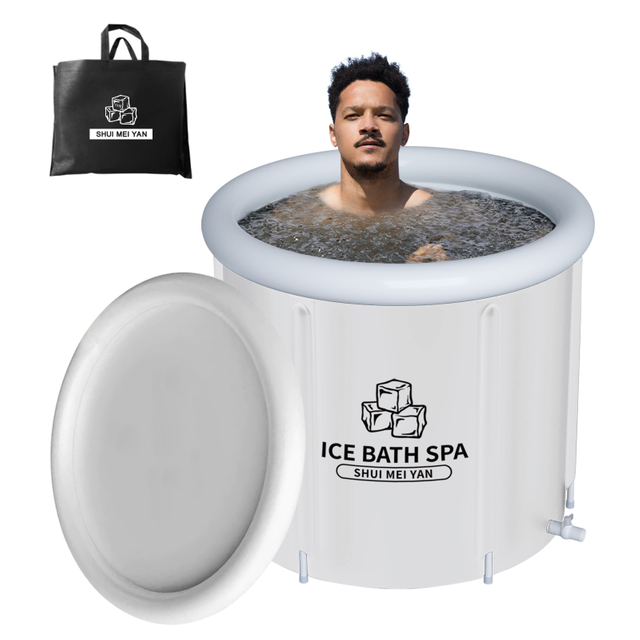
Preparing Ice Baths does not require complex equipment. Athletes often create them using a bathtub, a recovery tub, or a portable cold plunge container. The goal is simple. Cold water should cover most of the lower body while maintaining a safe temperature range. Many athletes prepare the bath before finishing their workout so the water can cool to the desired level.
The preparation process usually follows a few straightforward steps:
● Fill the tub halfway with cold water
Start by adding cold tap water until the tub reaches a level that can cover the hips when seated. This provides enough immersion to cool major muscle groups such as the quadriceps and hamstrings.
● Add ice gradually
Two or more bags of ice are typically added depending on tub size. The goal is to reduce the temperature to the recommended range rather than making the water extremely cold immediately.
● Allow the temperature to stabilize
Wait several minutes so the ice can fully cool the water. Many athletes check the temperature before entering to maintain a consistent recovery routine.
● Enter the bath slowly
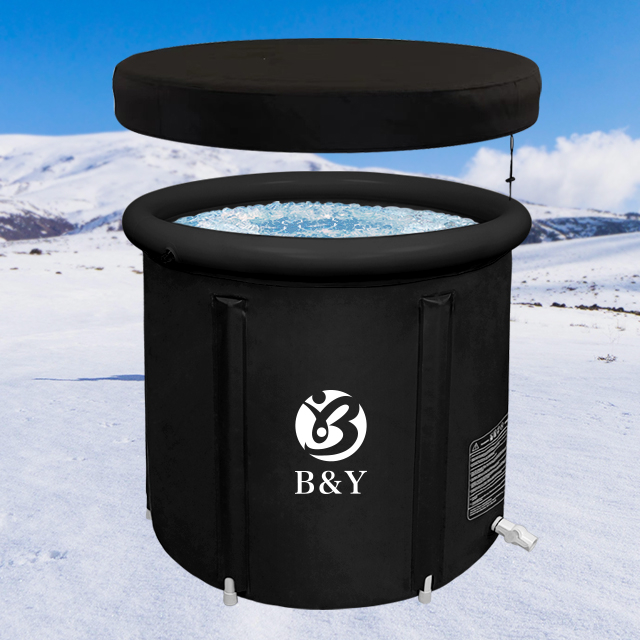
Gradual immersion helps the body adapt to the cold. Sudden entry may cause strong breathing reactions or discomfort.Portable recovery tubs can simplify this preparation process.
Systems designed for Ice Baths, such as compact cold plunge tubs produced by Binyuan, provide insulated walls and stable structures. They allow athletes to set up cold water recovery quickly without repeatedly preparing a household bathtub.

Recommended Duration and Frequency for Ice Baths
Athletes often ask how long they should remain in Ice Baths and how frequently they should use them. Recovery specialists typically recommend moderate exposure rather than prolonged immersion. Water temperatures used for recovery usually remain within a narrow range so the body receives the benefits of cold stimulation without excessive stress.
Most training guidelines suggest staying in the bath between 5 and 15 minutes. Beginners often start at shorter durations while experienced athletes gradually increase immersion time as their tolerance improves. Sessions longer than fifteen minutes are rarely recommended because prolonged cold exposure can increase the risk of hypothermia.
Several factors influence how often Ice Baths are used in athletic recovery routines:
Recovery Parameter | Recommended Range | Purpose |
Water Temperature | 10–15°C (50–59°F) | Stimulate circulation and reduce inflammation |
Immersion Time | 5–15 minutes | Promote recovery without excessive cold exposure |
Session Frequency | 2–4 times per week | Support recovery after intense training |
Entry Method | Gradual immersion | Allow the body to adapt to cold |
Safety Considerations and Potential Risks
Although Ice Baths are widely used in sports recovery, they must be approached carefully. Cold water immersion places stress on the body, especially for individuals unfamiliar with low temperatures. Understanding potential risks helps athletes use Ice Baths safely while avoiding unnecessary complications.
Several safety concerns are commonly discussed in sports medicine:
● Hypothermia risk
Extended exposure to very cold water can lower core body temperature. This risk increases when immersion exceeds recommended time limits.
● Frostbite in extremely cold environments
Ice water exposure outdoors or in freezing conditions may damage skin tissue if temperatures drop too low.
● Cardiovascular stress
Sudden cold immersion can increase heart rate and blood pressure. Individuals with cardiovascular conditions should consult medical professionals before using Ice Baths.
● Breathing reflex and shock response
Cold water can trigger an involuntary gasp reflex. Gradual immersion helps the body adjust and prevents sudden breathing reactions.
Beginners often follow simple safety guidelines to reduce these risks:
● Start with shorter sessions and moderate water temperatures.
● Keep warm clothing and towels nearby for the rewarming phase.
● Avoid immersing the head or chest if experiencing discomfort.
● Leave the bath immediately if dizziness or numbness occurs.
Conclusion
Athletes use Ice Baths to reduce soreness, improve circulation, and recover faster after intense training. Cold water immersion supports muscle repair and mental resilience. Binyuan provides portable Ice Bath solutions designed for convenient recovery, offering durable design, stable temperature use, and practical equipment that helps athletes integrate cold therapy into daily training routines.
FAQ
Q: What are Ice Baths used for?
A: Ice Baths help athletes reduce soreness and speed recovery after workouts.
Q: How long should Ice Baths last?
A: Most Ice Baths sessions last 5–15 minutes for safe recovery.
Q: Why do athletes take Ice Baths?
A: Athletes use Ice Baths to reduce inflammation and improve circulation.
Q: Are Ice Baths better than cold showers?
A: Ice Baths cool muscles more effectively than quick cold showers.
Q: Do Ice Baths help muscle recovery?
A: Ice Baths may reduce muscle soreness and support faster recovery.