Introduction
Are Ice Baths too cold to help recovery? Many people ask what temperature works best. Ice Baths support circulation, recovery, and energy. But the right temperature matters. In this article, you will learn the ideal Ice Baths temperature, safe session length, and how to use cold therapy effectively.
What Is the Ideal Temperature for Ice Baths?
Recommended Ice Bath Temperature Range
The effectiveness of Ice Baths depends heavily on water temperature. If the water is too warm, the cold therapy effect becomes weaker. If it is extremely cold, the session may become uncomfortable or even unsafe. Most experts recommend keeping Ice Baths between 8°C and 15°C (46°F–59°F). This range allows the body to experience the benefits of cold water immersion while maintaining safety and comfort.
Key advantages of maintaining the proper Ice Bath temperature include:
● Reduced muscle soreness after training
● Cold immersion may help limit inflammation in muscle fibers after heavy exercise. This often results in faster recovery.
● Improved circulation after leaving the bath
● When the body warms up, blood flow increases again. This rebound effect supports recovery.
● Mental refreshment and alertness

Short cold exposure can stimulate the nervous system. Many people report feeling more energized afterward.
Ice Bath Temperature for Beginners
Beginners should approach Ice Baths carefully. Entering extremely cold water without preparation may cause sudden discomfort or breathing changes. Because of this, most beginners start at the warmer end of the recommended temperature range.
A good beginner range is 12°C–15°C. At this temperature the water still feels cold and stimulating, but it remains manageable for short sessions. Beginners typically stay in the bath for two to five minutes and gradually increase their tolerance.
Helpful tips for beginners include:
● Start with short sessions and increase gradually
● Lower the temperature slowly over multiple sessions
● Control breathing when entering cold water
Colder Temperatures for Experienced Ice Bath Users
Experienced users sometimes experiment with colder Ice Baths, especially temperatures below 8°C (46°F). These colder baths create a stronger cold stimulus and are sometimes used by athletes after demanding workouts.
However, colder temperatures require shorter sessions and careful monitoring. The body loses heat quickly in water, so immersion time usually becomes shorter as the temperature drops.
Ice Bath Temperature | Typical Duration | Experience Level |
12°C–15°C | 5–10 minutes | Beginner |
8°C–12°C | 3–8 minutes | Intermediate |
Below 8°C | 2–5 minutes | Experienced |
Why Temperature Matters in Ice Baths
How Cold Water Affects Blood Circulation
When you enter Ice Baths, your body immediately reacts to the drop in temperature. Cold exposure causes the blood vessels near the skin and muscles to tighten. This process is called vasoconstriction. It slows blood flow temporarily and may help reduce swelling after intense physical activity. Many athletes use Ice Baths because this reaction can limit inflammation and support recovery.
Several circulation effects happen during Ice Baths:
● Reduced swelling in muscles
Cold water temporarily slows blood flow to injured or tired muscle fibers. This may help reduce swelling caused by intense workouts. Many people notice their muscles feel less tight after the session.
● Improved circulation during re-warming
When the body exits the bath and begins warming again, blood flow increases rapidly. This circulation boost helps deliver nutrients and oxygen to recovering tissues.
● Temperature-driven recovery response
The cycle of cold exposure followed by warming creates a recovery stimulus. This process is one reason Ice Baths are popular in sports recovery routines.
Muscle Recovery and Inflammation Reduction
One of the main reasons people take Ice Baths is muscle recovery. Intense exercise can cause microscopic tears in muscle fibers. This damage leads to inflammation and soreness, especially one or two days after training. Cold water immersion may help slow this inflammatory response.
Common recovery benefits linked to Ice Baths include:
● Lower muscle soreness after training
Cold exposure can reduce the pain associated with delayed onset muscle soreness. Many athletes feel less stiffness the following day.
● Faster recovery between workouts
Reduced inflammation allows muscles to recover more efficiently. This may help athletes maintain consistent training schedules.
● Reduced fatigue in heavily used muscles
Cold immersion may calm irritated muscle tissue. This can make the body feel more relaxed after demanding activity.
Mental and Hormonal Benefits of Ice Baths
Ice Baths influence more than just muscles. Cold exposure also activates the nervous system. When the body senses cold water, it increases the production of several hormones related to alertness and mood.
Short periods of cold immersion can stimulate the release of dopamine and adrenaline. These chemicals help increase focus and mental clarity. Many people describe feeling energized after finishing an ice bath session.
Psychological benefits often reported by Ice Bath users include:
● Improved mood and mental clarity
● Increased focus and energy
● Stress adaptation
How to Start Ice Baths Safely
Preparing Your Body for Cold Water Exposure
Starting Ice Baths safely begins before you even enter the tub. Many beginners jump directly into cold water and feel shocked by the sudden temperature change. A better method is gradual exposure. Cold showers, short dips, or cool water swimming help the body adapt step by step.
Cold exposure triggers a strong nervous system reaction. Breathing may speed up. Muscles tighten quickly. Because of this response, the body benefits from a preparation period. A few days or even one week of mild cold exposure can make the first Ice Bath much more comfortable.
A simple preparation routine often looks like this:
● Start with cold showers
Begin with 30–60 seconds of cool water at the end of a normal shower. The body slowly learns to tolerate cold temperatures. Over several days, increase the time to two or three minutes.
● Practice calm breathing
When cold water hits the skin, breathing may become fast or shallow. Slow breathing helps control the body’s reaction. It also helps reduce panic when entering Ice Baths.
● Introduce short immersion sessions
Instead of long cold baths immediately, start with very brief exposure. Even one minute in cool water helps the body adapt.Many people also prepare their Ice Baths environment in advance. A stable tub, enough ice, and a thermometer make it easier to control the water temperature. Dedicated ice bath tubs are often insulated, which helps maintain the cold temperature for longer sessions.
How Long Should You Stay in an Ice Bath?
Duration matters almost as much as temperature when using Ice Baths. Staying too long in cold water can make the body lose heat quickly. Short sessions are usually enough to activate the recovery response.
Different experience levels require different immersion times. Beginners should start cautiously and extend sessions only when the body adapts.
Experience Level | Recommended Duration | Typical Temperature Range |
Beginner | 2–5 minutes | 12–15°C |
Intermediate | 5–10 minutes | 8–12°C |
Experienced | Up to 15 minutes | 8–10°C |
A few practical tips help manage immersion time safely:
● Start short and increase slowly
Beginners often begin with two or three minutes. If the body responds well, sessions can gradually increase over several days.
● Monitor your body temperature
Shivering is normal during cold exposure. However, intense shivering usually signals the body needs to warm up.
● Leave the bath gradually
Stand up slowly after the session. Sudden movement may cause dizziness if the body cooled too quickly.Many athletes schedule Ice Baths after workouts.
Warning Signs That the Ice Bath Is Too Cold
Although Ice Baths offer many recovery benefits, they should always be used carefully. Extremely cold water or overly long sessions can stress the body too much. Learning to recognize warning signs helps prevent problems during cold immersion.
Some signals indicate the body is becoming too cold:
● Strong or uncontrollable shivering
● Numbness in hands or feet
● Dizziness or lightheadedness
Cold therapy should feel challenging but manageable. Many experienced users recommend listening closely to the body during Ice Baths. If the cold feels overwhelming, shortening the session or raising the water temperature can make the experience safer and more effective.
How to Get the Most Benefits from Ice Baths
When Is the Best Time to Take Ice Baths?
Timing plays a big role in how effective Ice Baths can be. Many athletes prefer taking them immediately after intense exercise. Cold water immersion helps cool the muscles and may reduce the soreness that appears several hours after training. It also slows down inflammation in muscle fibers that worked hard during the workout.
Morning sessions are another popular option. Some people step into Ice Baths early in the day to feel more awake and focused. Cold exposure stimulates the nervous system and increases alertness. Because of this effect, many users report higher energy levels after a short cold plunge.
How Often Should You Take Ice Baths?
The frequency of Ice Baths depends on activity level, training intensity, and personal tolerance. Most experts recommend moderate use rather than daily cold exposure. Regular sessions can support recovery, but the body still needs time to adapt and warm up between sessions.
For many people, a routine of one to three Ice Baths per week works well. Athletes who train more frequently may increase the number slightly. Beginners often start with one weekly session and gradually build a consistent routine.
Ice Bath Frequency | Typical Users | Purpose |
1 time per week | Beginners | Adapt to cold exposure |
2–3 times per week | Active individuals | General recovery |
3+ times per week | Athletes | Intensive recovery support |
A balanced routine usually works best. Too many sessions may create unnecessary stress on the body, while occasional cold immersion can still provide noticeable recovery benefits.

Setting Up an Effective Ice Bath
Creating the right environment helps maintain the correct temperature during Ice Baths. A stable setup keeps the water cold for longer and makes each session more comfortable. Even simple preparation steps can improve the cold immersion experience.
Several factors influence the effectiveness of an Ice Bath:
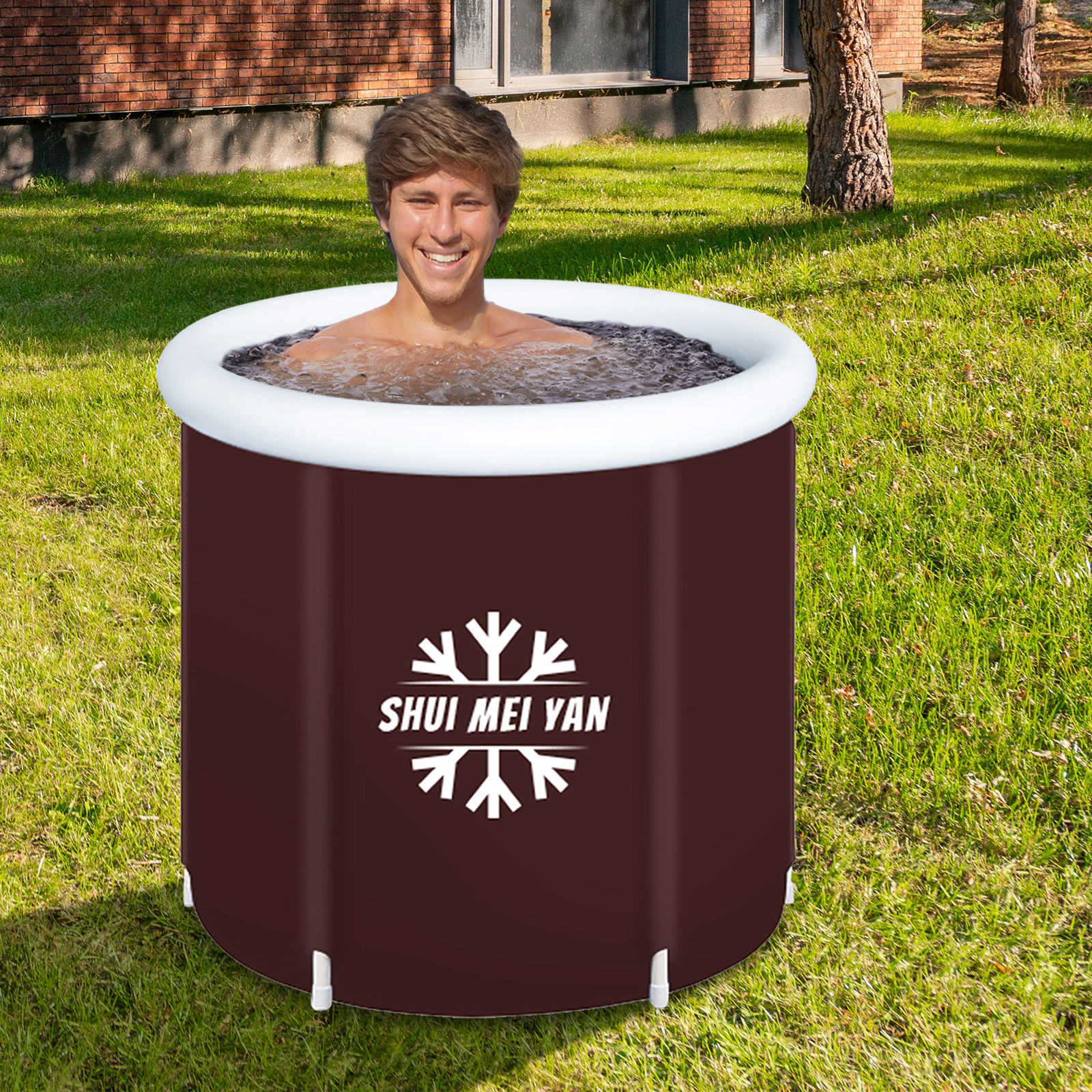
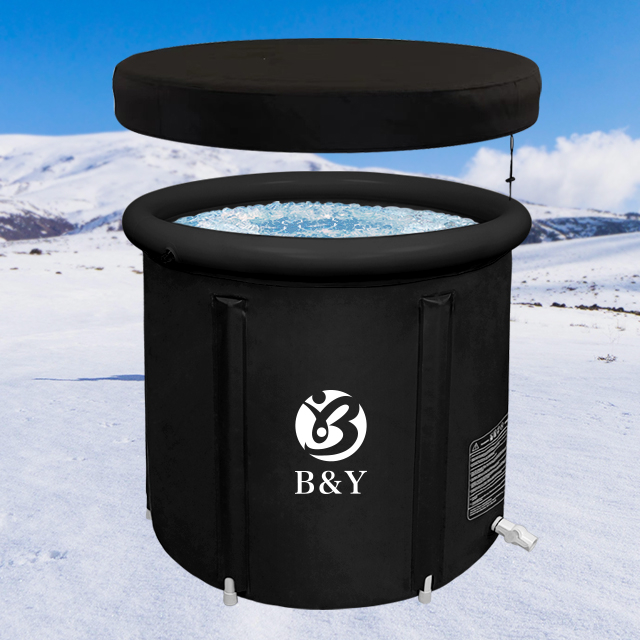
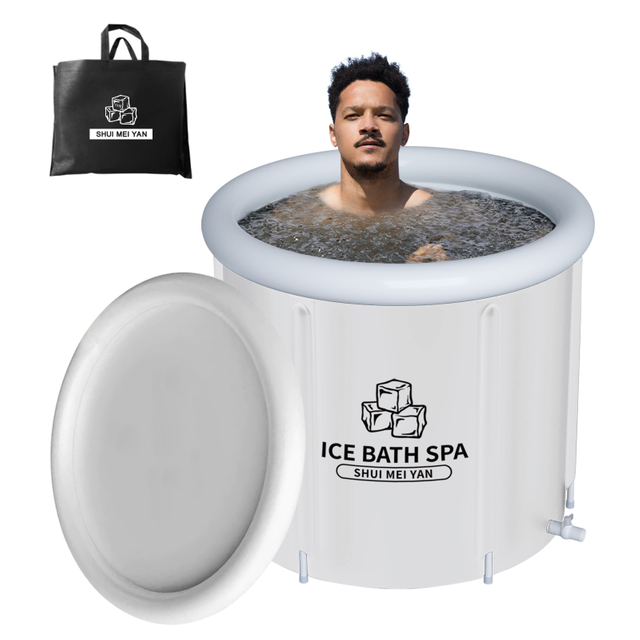
● Choosing a suitable tub
● A sturdy tub allows full-body immersion and keeps water contained safely. Some insulated tubs maintain cold temperatures longer, which reduces the amount of ice required.
● Managing the ice-to-water ratio
● Many cold plunge setups use roughly one part ice to three parts water. This balance helps reach the desired temperature without making the bath excessively cold.
● Selecting the right location
● Shade is important for outdoor Ice Baths. Direct sunlight can warm the water quickly and reduce the effectiveness of the cold immersion session.
● Monitoring temperature during the session
Using a thermometer allows users to track the water temperature accurately. It helps keep Ice Baths within the recommended recovery range.
A well-prepared setup makes Ice Baths easier to maintain. Stable temperature, proper immersion depth, and consistent routines all contribute to a more effective cold therapy experience.
Conclusion
Ice Baths work best around 8–15°C for safe cold exposure and recovery benefits. The right timing, duration, and setup help improve circulation, reduce soreness, and boost energy levels. Binyuan offers practical Ice Bath tubs designed for stable temperatures, easy setup, and reliable cold therapy experiences at home or in training environments.
FAQ
Q: What temperature should Ice Baths be for beginners?
A: Beginners should keep Ice Baths around 12–15°C. This range feels cold yet manageable and helps the body gradually adapt to cold water immersion.
Q: How long should you stay in Ice Baths safely?
A: Most Ice Baths last 2–10 minutes. Beginners start shorter, while experienced users may stay longer depending on temperature and tolerance.
Q: Why do athletes regularly use Ice Baths?
A: Athletes use Ice Baths to reduce muscle soreness, limit inflammation, and support faster recovery after intense training sessions.
Q: How often should people take Ice Baths each week?
A: Many experts recommend taking Ice Baths one to three times per week to balance recovery benefits and safe cold exposure.
Q: What equipment helps maintain proper Ice Baths temperature?
A: Insulated tubs, thermometers, and proper ice-water ratios help maintain stable Ice Baths temperatures and improve cold immersion results.