Introduction
Cold Plunge sessions feel intense. Many people love the energy they bring. But what should you do right after leaving the water?After a Cold Plunge, recovery matters. The body needs gradual warming, hydration, and gentle movement.
In this article, you will learn what to do after a Cold Plunge. We will explore simple steps that help your body recover safely.
Why Post-Cold Plunge Recovery Matters
What Happens to Your Body During a Cold Plunge
A Cold Plunge places the body in cold water for a short time. The temperature shock activates several internal systems. Blood vessels quickly tighten. This process is called vasoconstriction. It helps redirect blood toward vital organs. As circulation shifts, the body works harder to maintain core temperature.
Below is a simplified overview of how the body reacts during a Cold Plunge session:
Body System | Immediate Response | Purpose |
Blood Vessels | Vasoconstriction occurs | Reduces inflammation and controls heat loss |
Circulatory System | Blood shifts toward core organs | Protects vital body functions |
Nervous System | Cold receptors activate rapidly | Increases alertness and mental focus |
Metabolism | Energy consumption rises | Generates heat to maintain body temperature |
The Science Behind Cold Plunge Recovery
Recovery after a Cold Plunge is not only about comfort. It helps restore circulation and stabilize body systems. When a person exits cold water, the body begins a rewarming process. Blood vessels slowly widen again. Circulation returns to muscles and skin.
Several recovery actions work together to support the body after cold exposure:
● Gradual rewarming
Toweling off and wearing dry clothing helps preserve body heat. It allows the body to regulate temperature without sudden stress.
● Hydration support
Cold exposure can slightly increase fluid loss. Drinking water or warm beverages supports circulation and cellular recovery.
● Gentle physical movement
Walking, stretching, or mobility exercises improve circulation. They also reduce the stiffness caused by cold water immersion.
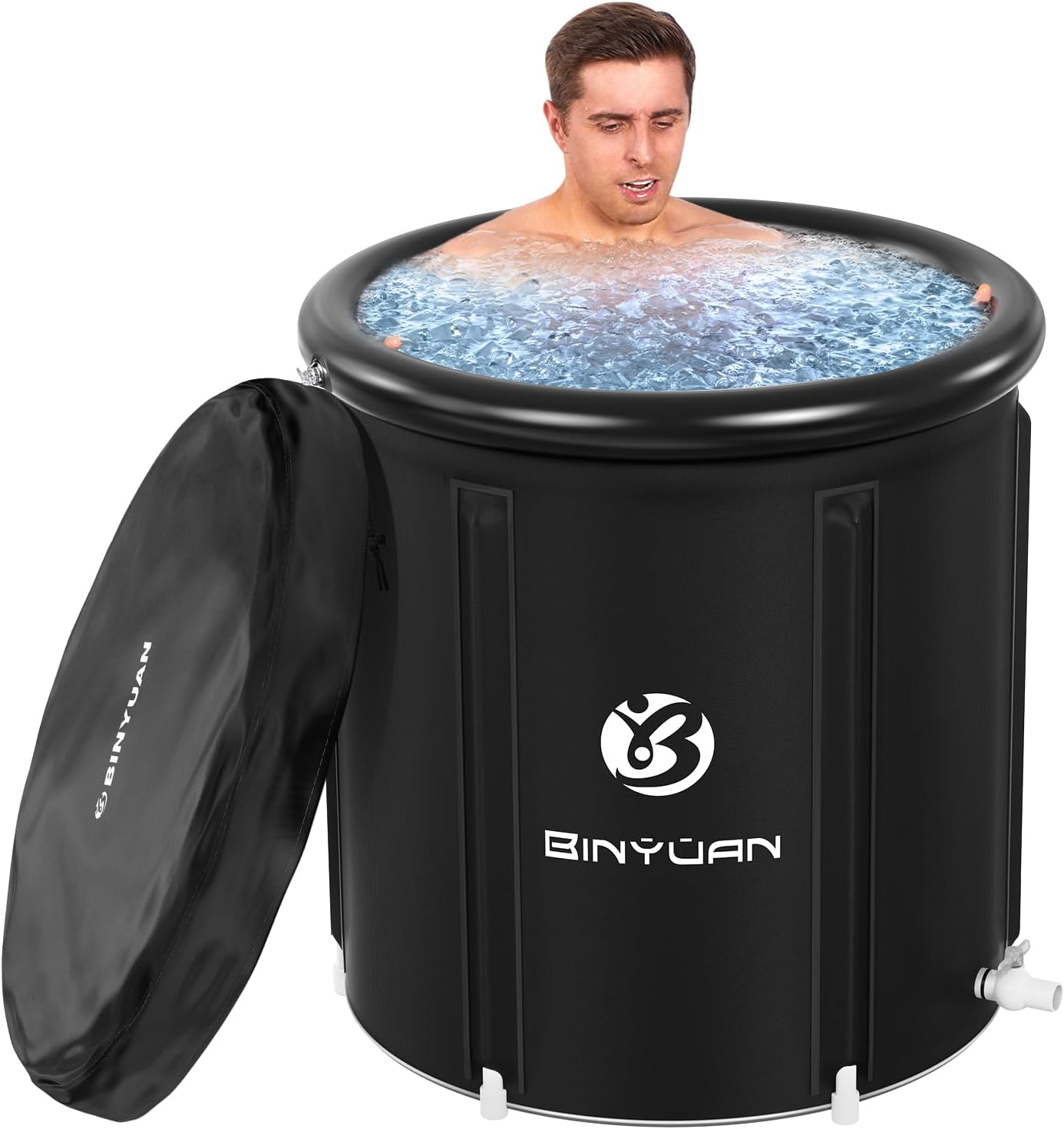
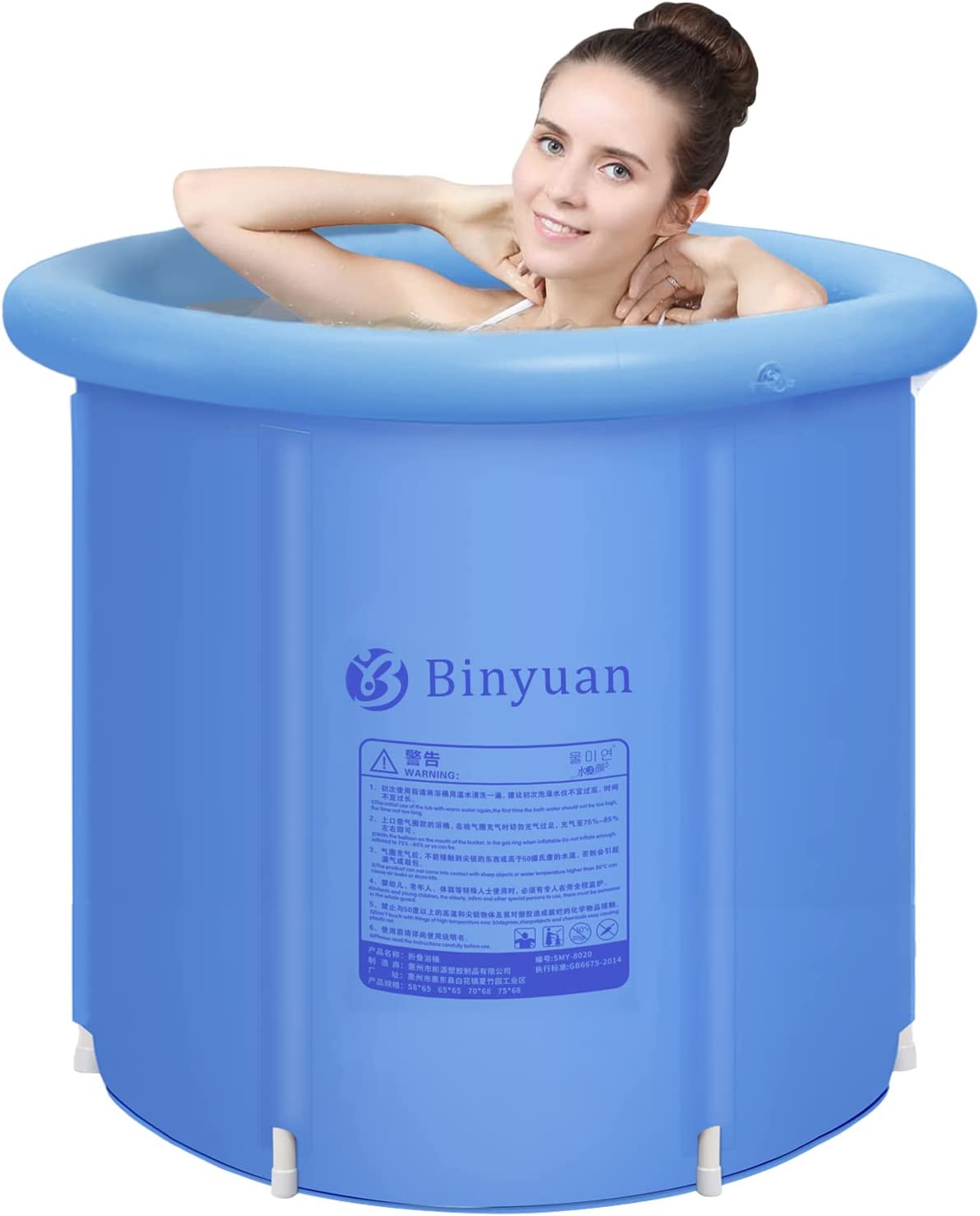
Modern portable cold immersion systems make these routines easier to integrate into daily life. For example, portable recovery tubs developed by Binyuan are designed for convenient at-home Cold Plunge sessions. Their insulated structure helps maintain water temperature while allowing users to practice cold therapy safely and consistently.
What to Do Immediately After a Cold Plunge
Dry Off and Warm Up Gradually
Stepping out of a Cold Plunge can feel shocking at first. The body has just experienced cold exposure. Blood vessels tightened to preserve heat. Circulation moved toward the core organs. Now it needs time to adjust back to normal temperature.
Start by drying your body carefully. Use a soft towel. Pat the skin gently instead of rubbing hard. Cold water can leave the skin sensitive. Gentle drying prevents irritation and helps the body keep its remaining warmth.
Next, put on warm clothing. Layered clothes work well because they trap body heat. They also allow gradual warming. Soft fabrics like fleece or cotton feel comfortable and help the body regain temperature slowly.
Jumping straight into hot water might seem like a good idea. However, sudden heat can stress the circulatory system. Blood vessels expand too quickly. Some people may feel dizzy or uncomfortable. Gradual warming keeps the body stable and supports healthy circulation after a Cold Plunge session.

Rehydrate Your Body After a Cold Plunge
Cold exposure still affects hydration. Even though you are not sweating heavily, the body uses fluids to maintain its temperature. During a Cold Plunge, metabolism rises slightly. The body works harder to keep its core warm.
Drinking fluids helps restore balance. It supports circulation and muscle recovery. Hydration also helps prevent fatigue or headaches after cold immersion.
Water is the simplest option. Some people prefer drinks containing natural electrolytes. These minerals help maintain nerve and muscle function.
Good hydration options include:
● Plain water
It restores basic fluid balance in the body. Drinking water shortly after leaving a Cold Plunge helps circulation return to normal. It also supports the body's temperature regulation.
● Coconut water or electrolyte drinks
These beverages contain potassium and sodium. They help replenish minerals used during cold exposure. This can improve muscle recovery and energy levels.
● Warm herbal tea
A warm drink can gently raise body temperature while hydrating the body. Many people find this especially comforting after a Cold Plunge session.The table below compares common hydration choices after cold immersion:
Drink Option | Key Benefit | Why It Helps After a Cold Plunge |
Water | Restores hydration | Supports circulation and temperature balance |
Coconut Water | Natural electrolytes | Replenishes minerals and supports muscles |
Herbal Tea | Gentle warmth and hydration | Helps the body warm gradually |
Gentle Movement to Restore Circulation
Light movement helps restore blood flow. It encourages oxygen and nutrients to return to the muscles. This process supports recovery and reduces stiffness.
The key is to move gently. Intense exercise right away can stress the body. Instead, choose simple movements that encourage circulation.
Helpful post-plunge movements include:
● Short walking sessions
● Light stretching routines
● Mobility exercises
Practice Controlled Breathing and Relaxation
Controlled breathing helps the body relax. Slow breathing signals the brain to reduce stress signals. The heart rate gradually slows. The nervous system moves from alert mode to a calm state.
Focus attention on each breath. This helps calm the mind and reduce tension after a Cold Plunge.These breathing exercises also improve oxygen flow in the body. Muscles receive fresh oxygen. Circulation becomes more stable. Over time, practicing breathing techniques can make each Cold Plunge experience more comfortable and controlled.
What NOT to Do After a Cold Plunge
Avoid Jumping into a Hot Shower Immediately
After a Cold Plunge, the body is still adapting to the sudden drop in temperature. Blood vessels tighten during cold exposure. This process helps conserve heat and protect vital organs. When someone immediately enters a hot shower, the opposite reaction happens too quickly. Blood vessels expand rapidly. This sudden shift may create dizziness, light-headedness, or an unstable feeling.
Common issues caused by rapid reheating include:
Post-Plunge Action | Body Reaction | Recovery Impact |
Immediate hot shower | Rapid blood vessel expansion | Possible dizziness or circulatory stress |
Gradual warming with clothes | Slow circulation adjustment | Stable recovery and comfort |
Warm drinks or light movement | Controlled body temperature rise | Supports healthy post-plunge recovery |
Many users who practice cold immersion at home prefer gradual recovery routines. Portable recovery setups such as Binyuan cold plunge tubs make this process easier because users can step out of the tub and transition directly into a controlled indoor environment.
Avoid Intense Exercise Right After a Cold Plunge
Jumping straight into intense physical activity can increase the risk of strain or injury. Muscles need time to regain normal circulation and temperature. Light movement works better during this transition period.
Instead of heavy workouts, recovery activities should stay gentle and controlled. The body gradually restores flexibility and blood flow during this time.
Athletes sometimes combine cold immersion and exercise during recovery routines. However, timing matters. Muscles perform better when they have warmed slightly and circulation has returned to normal levels.

Avoid Alcohol or Excess Caffeine
Hydration is an important part of recovery after a Cold Plunge. The body uses energy to maintain temperature during cold exposure. Fluids and minerals help restore balance afterward. Alcohol and high caffeine intake may interfere with this process.
Alcohol can cause dehydration. It also affects circulation and slows the body’s natural recovery responses. Drinking alcohol right after cold immersion may increase fatigue or delay muscle recovery.
Caffeine works differently. Moderate caffeine can increase alertness, but excessive amounts may increase heart rate and stimulate the nervous system. After a Cold Plunge, the body is already adjusting from cold stress. Too much caffeine may keep the nervous system overly stimulated.
Better beverage choices support hydration and recovery. Many people choose drinks that restore fluids while helping the body warm gradually.
Additional Recovery Techniques to Maximize Cold Plunge Benefits
Stretching and Mobility Exercises After a Cold Plunge
Stretching should stay light and controlled. The body is still warming up. Slow movements allow muscles to lengthen without strain. Focus on breathing while stretching. It helps the body relax and improves coordination between muscles and joints.
Simple mobility routines after a Cold Plunge session often include:
● Neck and shoulder mobility Gentle neck rotations loosen tension around the upper spine. Shoulder rolls increase circulation to the upper body. Many people feel stiffness in these areas after cold exposure. Slow controlled movements reduce tightness and improve flexibility.
● Hip and leg stretches Hip circles and hamstring stretches help restore flexibility in the lower body. Cold immersion may temporarily tighten large muscle groups. Stretching helps muscles regain elasticity and supports better movement.
● Ankle and calf mobility Rotating ankles and stretching calves improves circulation in the lower legs. This is especially useful for people who sit or stand for long periods after a Cold Plunge routine.
The following table shows common post-plunge mobility exercises and their recovery benefits:
Mobility Exercise | Target Area | Recovery Benefit |
Shoulder rolls | Upper back and shoulders | Improves circulation and relieves stiffness |
Neck rotations | Neck muscles | Reduces tension after cold exposure |
Hip circles | Hip joints | Restores flexibility and mobility |
Hamstring stretch | Back of legs | Improves muscle elasticity and circulation |
Ankle rotations | Lower legs and ankles | Encourages blood flow and joint movement |
Nutrition for Optimal Cold Plunge Recovery
Meals should contain a balanced mix of nutrients. Protein helps repair muscle tissue. Carbohydrates replenish energy stores. Healthy fats support long-term energy and hormone balance. Eating within an hour after a Cold Plunge session often supports faster recovery.
Helpful recovery foods include:
● Protein-rich foods Eggs, yogurt, fish, and lean meats help rebuild muscle fibers. After cold immersion, protein supports tissue repair and recovery.
● Complex carbohydrates Whole grains, sweet potatoes, and fruits restore energy levels. They provide steady fuel without causing sudden blood sugar spikes.
● Healthy fats Foods such as avocados, nuts, and olive oil help regulate inflammation and support metabolic recovery.
Cold exposure can also pair well with anti-inflammatory foods. Ingredients like ginger, turmeric, leafy greens, and berries contain antioxidants. These compounds support the body's recovery processes.
A simple recovery meal after a Cold Plunge routine might include:
● A bowl of yogurt with berries and nuts
● A whole grain sandwich with lean protein
● A smoothie containing fruit, protein powder, and leafy greens
Nutrition and hydration work together to support recovery. When combined with light movement and gradual warming, proper nutrition helps the body fully benefit from regular Cold Plunge practice.
Conclusion
After a Cold Plunge, the body needs slow recovery. Gentle warming, hydration, and light movement help restore balance. Good breathing and nutrition support muscle recovery. Binyuan cold plunge tubs provide stable temperature, portability, and easy setup, making home recovery simple and effective.
FAQ
Q: What should you do immediately after a Cold Plunge?
A: After a Cold Plunge, dry off, wear warm clothes, hydrate, and move gently to restore circulation.
Q: How long should you wait to shower after a Cold Plunge?
A: Wait about 20–30 minutes after a Cold Plunge so the body can warm naturally before showering.
Q: Why avoid intense exercise after a Cold Plunge?
A: Cold Plunge exposure tightens muscles. Light movement is safer until circulation returns.
Q: What drinks are best after Cold Plunge therapy?
A: Water, herbal tea, or electrolyte drinks help restore hydration after Cold Plunge recovery.
Q: How often should beginners try a Cold Plunge routine?
A: Beginners can start with one Cold Plunge session weekly, then increase gradually.