Introduction
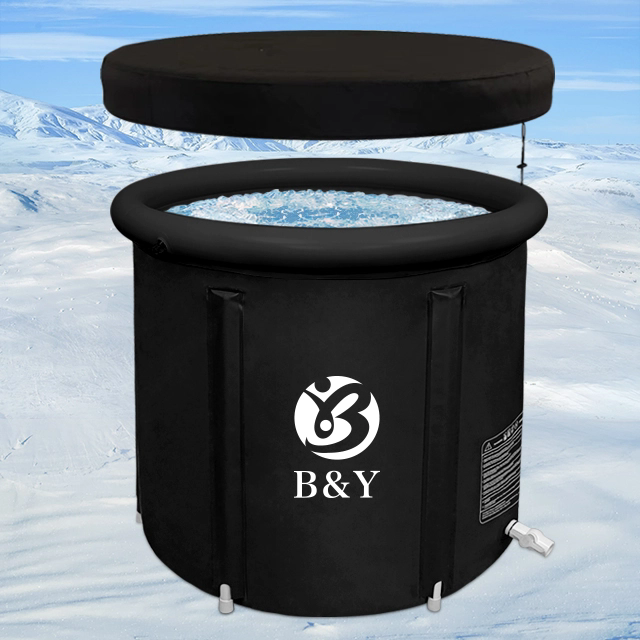
Cold plunges, also known as ice baths, are gaining popularity in wellness routines. But did you know they could activate brown fat and boost metabolism? Cold Plunge Tub stimulates brown fat, helping with calorie burn and temperature regulation. In this article, we will explore how Cold Plunge Tub activates brown fat. You’ll also learn how this process benefits your metabolism and overall health.
What Is Brown Fat and Why Is It Important?
Brown Fat vs. White Fat
Brown fat and white fat serve different roles in the body. Brown fat burns calories to generate heat, while white fat stores energy. The following table highlights their key differences in function, location, and impact on metabolism.
| Feature | Brown Fat (BAT) | White Fat (WAT) |
| Function | Burns calories to generate heat (thermogenesis). | Stores energy in the form of fat. |
| Color | Brown (due to high mitochondrial content). | White (due to lower mitochondria and fat storage). |
| Location | Primarily around the neck, shoulders, spine, and kidneys. | Found around the belly, thighs, and buttocks. |
| Energy Usage | Burns energy to generate heat in response to cold. | Stores excess energy for future use. |
| Mitochondria Content | High (helps in energy burning and heat production). | Low (mostly used for energy storage). |
| Effect on Metabolism | Increases calorie burn and boosts metabolism. | Slows metabolism by storing excess calories. |
| Role in Thermoregulation | Vital for maintaining body temperature in cold conditions. | Does not play a role in thermoregulation. |
| Health Implications | Can help with weight management and improve metabolic health. | Excess accumulation leads to obesity and related health issues (e.g., diabetes, cardiovascular disease). |
| Activation | Activated by cold exposure (cold plunges, cold weather). |
|
The Role of Brown Fat in Metabolism
Brown fat plays a crucial role in regulating metabolism. When activated, brown fat uses stored fat and glucose to produce heat in a process known as non-shivering thermogenesis. This helps your body maintain its core temperature in cold environments. As a result, activating brown fat increases calorie expenditure and may aid in weight loss and metabolic health.
Where Brown Fat Is Located in the Body
Brown fat is concentrated in specific areas of the body, such as the neck, shoulders, spine, and around the kidneys. Unlike white fat, which is easy to spot, brown fat is much less visible and tends to be hidden beneath the skin. Research has shown that adults retain brown fat, albeit in smaller amounts compared to babies who rely on it for warmth.

The Science Behind Brown Fat Activation through Cold Exposure
The Sympathetic Nervous System's Role
When you expose your body to cold temperatures, the sympathetic nervous system is triggered. This system releases norepinephrine, a hormone that activates brown fat cells. The norepinephrine attaches to receptors on brown fat cells, leading to increased mitochondrial activity and the generation of heat. This process is essential for maintaining body temperature during cold exposure.
Non-Shivering Thermogenesis Explained
Non-shivering thermogenesis is the process by which brown fat burns calories to produce heat without the need for muscle contractions (shivering). This process is regulated by a protein called UCP1 (uncoupling protein 1), which is found in the mitochondria of brown fat cells. The activation of brown fat through cold plunges leads to increased calorie burn, which is one of the key benefits of cold exposure.
Acclimation and Adaptation to Cold Exposure
As you continue to expose your body to cold temperatures, your brown fat becomes more efficient at generating heat. Over time, regular cold plunges can increase the volume and activity of brown fat, leading to improved metabolic health and enhanced calorie-burning capabilities. Starting with brief exposures and gradually increasing the duration and intensity can help your body adapt and maximize the benefits of cold plunging.
How Cold Plunge Tubs Activate Brown Fat
Ideal Temperature and Duration for Maximum Effect
For optimal brown fat activation, the water temperature in a cold plunge tub should be between 10-15°C (50-59°F). This range is cool enough to trigger the activation of brown fat but not so cold that it causes excessive discomfort or danger. Beginners may want to start with slightly warmer temperatures and gradually lower the water temperature as their bodies become accustomed to the cold. Ideal exposure times range from 1-3 minutes, though you can increase the duration as you adapt.
The Gasp Reflex and Shivering Response
When you first submerge yourself in cold water, you may experience an involuntary gasp reflex and shivering. These responses are signs that your body is activating brown fat. The initial shock of the cold stimulates the sympathetic nervous system, triggering the release of norepinephrine and initiating thermogenesis. Once the shivering subsides, you can be confident that your brown fat is actively burning calories.
Gradual Adaptation for Beginners
For newcomers to cold plunging, it’s important to ease into the practice to avoid overwhelming the body. Start with shorter sessions in slightly warmer water, and gradually increase the coldness and duration over time. This will allow your body to acclimate to the cold and minimize any potential discomfort or adverse effects. Consistency is key to activating brown fat and reaping the metabolic benefits.
Health Benefits of Activating Brown Fat with Cold Plunges
Enhanced Metabolism and Weight Management
Activating brown fat can lead to an increase in metabolism and more efficient calorie burning. Studies have shown that even brief cold exposure can boost metabolic rate by as much as 30%, contributing to weight management. Cold plunge tubs provide an easy and effective way to enhance your metabolism and support weight loss efforts. However, for optimal results, cold plunges should be combined with a healthy diet and regular exercise.
Improved Insulin Sensitivity and Blood Sugar Control
Brown fat activation can improve insulin sensitivity, which helps regulate blood sugar levels. In clinical studies, individuals who were exposed to cold temperatures showed improvements in their ability to process glucose. By regularly using a cold plunge tub, you can activate brown fat and potentially reduce your risk of developing type 2 diabetes and other metabolic disorders.
Cardiovascular Health Benefits
Cold exposure has been shown to have positive effects on cardiovascular health by reducing triglycerides and improving circulation. When brown fat is activated, it promotes the production of proteins that help improve blood vessel function and reduce the risk of cardiovascular diseases. Regular cold plunges can therefore contribute to better heart health and overall well-being.
Cold Plunge Tub Techniques for Maximum Brown Fat Activation
Frequency and Duration Recommendations
To activate brown fat and experience its full benefits, cold plunges should be performed consistently. Aim for 2-4 sessions per week, with each session lasting between 1-3 minutes. As you become more accustomed to the cold, you can gradually increase the duration and frequency of your plunges. The key is consistency, not intensity.
Tips for Safe and Effective Cold Plunging
While cold plunging offers numerous benefits, it’s important to take safety precautions. Always monitor your exposure times and be aware of any signs of overexposure, such as excessive shivering, numbness, or disorientation. If you have any pre-existing medical conditions, consult with a healthcare provider before incorporating cold plunges into your routine.
Combining Cold Plunges with Other Wellness Practices
Cold plunges can be even more effective when combined with other wellness practices, such as sauna use or regular exercise. Contrast therapy, which alternates between hot and cold exposure, can amplify the benefits of cold plunging by stimulating circulation, reducing inflammation, and enhancing recovery.
Potential Risks and Precautions
Medical Conditions and Cold Plunging
If you have any medical conditions, such as heart disease, high blood pressure, or respiratory issues, you should consult with a healthcare professional before trying cold plunges. Cold exposure can put stress on the cardiovascular system, so it’s essential to ensure that it is safe for your specific health situation.
Signs of Overexposure to Cold
It’s important to recognize the signs of overexposure to cold, such as severe shivering, numbness, confusion, or chest pain. If you experience any of these symptoms, it’s essential to exit the cold plunge tub immediately and seek warmth. Overexposure to cold can lead to hypothermia and other serious health risks.
Expert Advice for Safe Cold Exposure
For beginners, it's essential to start with shorter cold plunges, gradually increasing the duration and intensity over time to allow your body to adapt. Research suggests that starting with 30-second to 1-minute sessions at temperatures around 14°C (58°F) is effective for activating brown fat without overwhelming the body. A study by Dr. Susanna Soeberg found that consistent cold exposure for 11 minutes per week significantly boosts brown fat activity. Always listen to your body and avoid exceeding your personal limits to minimize risks like hypothermia or cardiovascular strain.
Conclusion
Activating brown fat with cold plunge tubs offers several health benefits, including enhanced metabolism, better weight management, improved insulin sensitivity, and cardiovascular health. By regularly incorporating cold plunges into your wellness routine, you can support your metabolic health and activate brown fat. However, it's crucial to approach cold plunging gradually and listen to your body’s signals to ensure safety and maximize its benefits. Huizhou Binyuan Plastic Products Co., Ltd. offers high-quality cold plunge tubs that can help you achieve these health benefits in a safe and effective manner.
FAQ
Q: What is a Cold Plunge Tub and how does it activate brown fat?
A: A Cold Plunge Tub is a specialized tub designed for cold-water immersion. By exposing your body to cold temperatures, it triggers the sympathetic nervous system, releasing norepinephrine that activates brown fat. This boosts calorie burn and enhances metabolism.
Q: How often should I use a Cold Plunge Tub to activate brown fat?
A: To activate brown fat effectively, use a Cold Plunge Tub 2-4 times a week. Start with 1-2 minutes per session and gradually increase exposure time to allow your body to adapt and maximize the benefits.
Q: Can an Ice Bath Tub replace a Cold Plunge Tub for brown fat activation?
A: Yes, an Ice Bath Tub can also activate brown fat, as it provides the same cold exposure. However, Cold Plunge Tubs offer more controlled temperatures, making them easier to use safely for consistent brown fat activation.
Q: Why is brown fat activation important with a Cold Plunge Tub?
A: Activating brown fat with a Cold Plunge Tub can improve metabolism, help with weight management, and enhance insulin sensitivity. Brown fat burns calories to generate heat, which supports overall metabolic health.
Q: What are the benefits of using a Cold Plunge Tub for brown fat activation?
A: Using a Cold Plunge Tub to activate brown fat helps increase calorie burn, improve weight control, and boost insulin sensitivity. It also promotes cardiovascular health by reducing triglycerides and improving circulation.
Q: Can I experience any risks while using a Cold Plunge Tub for brown fat activation?
A: While cold plunges offer numerous benefits, it’s important to avoid overexposure. Start with shorter sessions, and gradually increase time. Always monitor your body for signs of discomfort or hypothermia, especially if you have pre-existing health conditions.