Introduction
Are you looking for a way to boost your recovery and mental well-being? Cold plunge therapy, also known as cold water immersion, involves submerging the body in water temperatures typically between 37°F to 59°F (3°C to 15°C). Once used mainly by elite athletes, it’s now gaining popularity as a wellness tool for home users. In this article, we will discuss the benefits of using a cold plunge tub, how they work, and what to consider when choosing one for your needs. You’ll learn everything you need to know about these powerful tubs that offer both physical and mental health benefits.
Understanding Cold Plunge Tubs
What Exactly is a Cold Plunge Tub?
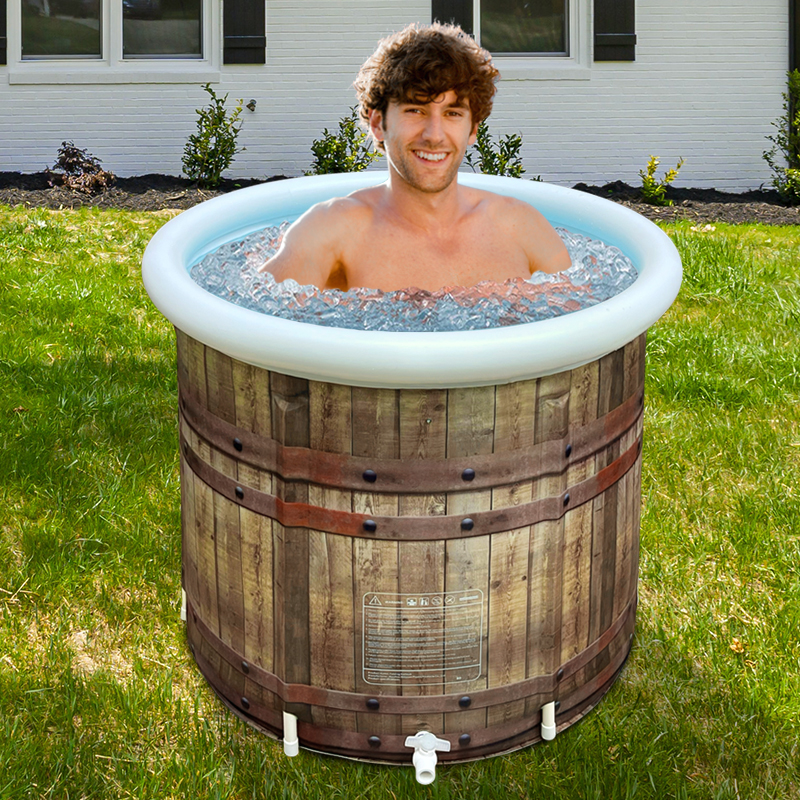
A cold plunge tub is a specialized tub designed for cold water immersion therapy. These tubs are built to withstand cold temperatures, ranging from a chilly 37°F to freezing points, depending on the model. Unlike traditional ice bath setups, which often rely on bags of ice, modern cold plunge tubs typically include integrated chillers to maintain a consistent temperature.
Cold plunge tubs are constructed from high-quality materials such as stainless steel or durable plastic, ensuring longevity and efficiency. They come in various shapes and sizes, from compact, one-person tubs to larger plunge pools for multiple users.
How Cold Plunge Tubs Work
Cold plunge tubs maintain low temperatures through a built-in chilling system. The chiller is the heart of the cold plunge tub, working like a refrigerator to cool the water to your desired temperature. Many models also feature water filtration systems, ensuring the water remains clean and free from bacteria.
Cooling Technology: The chiller unit rapidly lowers the water temperature and keeps it stable. Some high-end models are capable of reaching temperatures as low as 32°F (0°C).
Filtration and Circulation: Continuous water circulation and filtration prevent the water from becoming stagnant, ensuring a hygienic and safe plunge experience.
Health Benefits of Cold Plunge Therapy
Physical Health Benefits
Cold plunge therapy provides several physical benefits, including muscle recovery by reducing inflammation and soreness after workouts. The cold shock causes blood vessels to constrict and then rapidly dilate, improving circulation. This process enhances blood flow, delivering oxygen and nutrients to tissues, which aids in quicker recovery and overall muscle healing.
Mental Health and Wellbeing
Cold plunge therapy benefits both the body and mind. Submerging in cold water triggers the body’s stress response, which helps increase resilience to stress over time by boosting the release of endorphins. This process also enhances mindfulness by promoting mental clarity and relaxation, activating the parasympathetic nervous system. Regular cold plunges can help reduce anxiety, improve focus, and reset both the body and mind.
Weight Loss and Metabolism
Cold exposure stimulates thermogenesis, where the body activates brown adipose tissue (BAT) to generate heat, burning fat in the process. This increased calorie expenditure helps boost metabolism and supports weight loss. Studies show that regular cold exposure can enhance fat oxidation, improve insulin sensitivity, and potentially reduce body fat percentage, making it a valuable addition to weight management and metabolic health strategies.

Key Factors to Consider When Buying a Cold Plunge Tub
Size and Space Requirements
| Consideration | Details |
| Space Considerations | Measure your available area to ensure the tub fits comfortably. Larger models may require a dedicated outdoor space, while smaller tubs can fit into tighter areas. |
| Location Options | Larger tubs may need outdoor space, while smaller tubs can fit indoors, such as in a bathroom or smaller backyard. |
| One-Person vs. Multi-Person Tubs | Multi-person tubs provide more space for family or group use and often require a larger area, typically outdoors. For larger groups, choose a model with sufficient space and a design that accommodates multiple users comfortably. |
Temperature Control and Chilling Mechanisms
Cold plunge tubs come with varying chilling technologies. When choosing a tub, consider the chilling mechanism it uses and how you prefer to control the water temperature.
| Consideration | Details |
| Chillers vs. Ice | Some models include integrated chillers, allowing you to set and maintain specific temperatures. |
| Other models require ice to cool the water, which can be a more affordable option but requires frequent ice refills. |
| Adjustable Temperature Settings | Many high-end cold plunge tubs feature digital controls that let you adjust the water temperature for precise cold immersion therapy.Maintenance and Durability |
Maintenance and Durability
Regular maintenance ensures the longevity and cleanliness of your cold plunge tub.
| Consideration | Details |
| Water Filtration and Cleaning | Most tubs come with built-in filtration systems that help keep the water clean. |
| Depending on usage, you'll need to change filters and clean the tub every few weeks. |
| Materials and Longevity | Look for tubs made from durable, corrosion-resistant materials like stainless steel or heavy-duty plastic. |
| These materials will withstand cold temperatures and frequent use over time, ensuring the tub lasts longer. |
Cost Considerations
Cold plunge tubs vary widely in price. When evaluating options, consider both the initial cost and ongoing maintenance to determine the long-term value.
| Consideration | Details |
| Initial and Ongoing Costs | Entry-level models may cost a few hundred dollars, while high-end tubs can range into the thousands. |
| Take into account ongoing costs such as electricity, water, and maintenance (e.g., replacement filters). |
| Value for Money | Focus on the features that matter most to you—durability, temperature control, and ease of maintenance—before making a purchase. |
Different Types of Cold Plunge Tubs
Traditional Tubs
Classic ice bath tubs are simple and affordable options for cold immersion therapy. Often used in DIY setups, these tubs are filled with ice to chill the water. While they are effective, they require frequent ice purchases, which can become costly over time. Portable options, on the other hand, are lightweight and easy to move, making them ideal for occasional use or for those with limited space.
High-Tech Cold Plunge Pools
High-tech cold plunge pools are designed for regular use and come with built-in chillers and filtration systems.
Integrated Chillers and Filters: These systems provide consistent, clean cold water, and the built-in chillers eliminate the need for ice.
Premium Features: Some models include advanced features like lighting, digital controls, and even underwater speakers for a fully immersive experience.
Budget-Friendly Alternatives
For those on a budget, affordable cold plunge tubs offer a cost-effective way to experience the benefits of cold water immersion. These models are typically simpler in design and may require ice to chill the water, which adds some effort but reduces the upfront cost. Despite being more basic, they still provide the essential benefits of cold plunge therapy, such as muscle recovery and improved circulation. These tubs are a great entry-level option for those looking to incorporate cold therapy into their wellness routine without breaking the bank.
How to Use a Cold Plunge Tub Safely
Best Practices for Cold Plunge Immersion
To get the most from your cold plunge, follow these best practices:
Duration and Frequency: Start with shorter sessions (1-2 minutes) and gradually increase your time in the tub. Most people use the tub 2-3 times a week, but frequency can vary based on personal goals.
Safety Tips: Always listen to your body. If you feel lightheaded, dizzy, or too cold, exit the tub immediately. Avoid prolonged exposure to cold water to prevent hypothermia.
Preparing for Your Cold Plunge
Before using your cold plunge tub, make sure the water temperature is set to your desired level. Some models offer app-based controls, making it easier to adjust the temperature for a precise experience. After your session, it’s important to warm up your body gradually. Engage in light movement or take a warm shower to restore normal body temperature and promote circulation. This helps prevent a sudden drop in body temperature and supports your body’s recovery process, maximizing the benefits of your cold plunge therapy.
How to Choose the Right Cold Plunge Tub for Your Needs
Matching the Tub to Your Wellness Goals
Cold plunge tubs come with varying features, so it's important to choose one that aligns with your personal goals. For physical recovery, athletes or individuals recovering from injuries will benefit from tubs equipped with precise temperature controls and integrated filtration systems, ensuring an optimal therapeutic experience. On the other hand, if your focus is mental health and stress relief, opt for a tub that enhances comfort, such as adjustable seating or soothing lighting, to promote relaxation and mental clarity during each session.
Space and Budget Considerations
If you're working with limited space, consider compact, portable tubs like the Ice Barrel 300, which are designed to fit in smaller areas while still offering the benefits of cold plunge therapy. When selecting a tub, it's essential to evaluate the balance between cost and features, ensuring that the model you choose provides the necessary benefits, such as temperature control and durability, without exceeding your budget. This way, you can enjoy effective cold therapy without compromising on quality or affordability.
Conclusion
Cold plunge tubs offer significant benefits for both physical recovery and mental well-being, including muscle recovery, improved circulation, and stress relief. These tubs are becoming essential tools for anyone seeking enhanced health and wellness. If you’re looking to improve your fitness, mental clarity, or overall health, investing in a cold plunge tub can be a great decision. Huizhou Binyuan Plastic Products Co., Ltd. provides high-quality cold plunge tubs designed for long-lasting use and effective performance. Their products ensure both durability and ease of maintenance, making them a valuable choice for enhancing your wellness routine.
FAQ
Q: What is a Cold Plunge Tub?
A: A cold plunge tub is a specialized tub designed for cold water immersion therapy. It maintains low temperatures, typically between 37°F to 59°F (3°C to 15°C), helping with muscle recovery, stress relief, and overall well-being.
Q: How does a Cold Plunge Tub work?
A: Cold plunge tubs feature built-in chillers that cool the water to your desired temperature. Many models also include filtration systems to keep the water clean and circulating for an effective and hygienic cold immersion experience.
Q: Can a Cold Plunge Tub help with muscle recovery?
A: Yes, cold plunge tubs are highly effective for reducing muscle inflammation and soreness after intense workouts, speeding up recovery by improving circulation and oxygen delivery to tissues.
Q: What is the difference between a Cold Plunge Tub and an Ice Bath Tub?
A: While both involve cold water immersion, a Cold Plunge Tub typically features built-in chillers for consistent temperature control, while an Ice Bath Tub requires ice to maintain the cold temperature, making it less convenient for regular use.
Q: Are Cold Plunge Tubs expensive?
A: Cold plunge tubs can range from affordable models, often requiring ice, to high-end versions with advanced features like digital controls and built-in chillers. The cost depends on the tub's size, features, and durability.
Q: How long should I stay in a Cold Plunge Tub?
A: For optimal benefits, start with 1-2 minutes in the Cold Plunge Tub, gradually increasing the time as your body adjusts. Most people use it 2-3 times a week for recovery or stress relief.
Q: Can I use a Cold Plunge Tub indoors?
A: Yes, smaller Cold Plunge Tubs can be used indoors, such as in a bathroom or small space. Larger tubs may require outdoor placement due to size and ventilation needs.