Planning a large event without the right shelter is risky. Commercial tents provide safe, flexible spaces for any occasion. Choosing the right commercial tent manufacturer ensures durability and style. In this post, you’ll learn about top manufacturers and key features to consider for your event.
Top Commercial Tent Manufacturers and Their Specializations
Overview of Leading Commercial Tent Manufacturers
When organizing large-scale events, selecting the right commercial tent manufacturer is vital. These manufacturers provide tents designed for durability, flexibility, and specific industry needs. Here’s a detailed look at ten top manufacturers, each known for unique strengths and specialized products.
Sheltent: Durable Frame and Clear Span Tents
Sheltent focuses on commercial frame tents and clear span structures. Their aluminum alloy frames last 15-20 years, paired with PVC fabrics lasting 5-8 years. These tents suit both event and industrial uses, offering long-term durability and stable performance under various weather conditions.
Shelter Structures: Large Clear Span and Industrial Tents
Founded in 2003, Shelter Structures specializes in large clear span tents with spans up to 80 meters. Their industrial and event tents withstand harsh weather, including winds up to 120 km/h and snow loads of 0.5 kN/m². Customization options include lighting, air conditioning, and diverse wall materials, making them ideal for demanding environments.
Mahaffey USA: Experts in Temporary Fabric Structures
With over 100 years of experience, Mahaffey USA excels in temporary fabric structures for industries like oil and gas, storage, and explosion-proof shelters. Their tents offer flexibility and weather resistance, tailored to industrial and commercial needs across North America.
TentCraft: Custom Pop-Up and Branding Tents
TentCraft specializes in custom-branded pop-up tents and inflatable promotional tents. Their quick-setup commercial tents are popular for trade shows, corporate events, and outdoor marketing. They emphasize branding and customization, making them a go-to for businesses wanting to stand out.
HTS TENTIQ: Military-Grade and Industrial Solutions
HTS TENTIQ, based in Germany, provides heavy-duty tents for military, industrial, and commercial use. Their carbon-hybrid frame technology delivers strong, adaptable structures used worldwide for temporary storage, disaster relief, and industrial projects.
Sprung: Cutting-Edge Fabric Membrane Structures
Sprung is renowned for its patented tension membrane structures. Their large-span industrial tents offer rapid deployment and exceptional insulation, suitable for construction sites, emergency response, and energy sectors. Sprung tents combine strength and innovation for long-term use.
Big Top Manufacturing: Industrial and Aviation Tents
Since 1979, Big Top Manufacturing has supplied large-scale fabric structures for military, aviation, and marine industries. Their galvanized steel frame tents feature flame-retardant PVC vinyl, providing durable, movable shelters with optional mobility kits.
Eurmax: Commercial-Grade Pop-Up Canopy Tents
Eurmax is a leader in commercial-grade pop-up canopy tents. Their Standard 10×10 canopy features reinforced stitching, stress-resistant seams, and 600-denier fabric. These tents are widely used at trade shows, vendor markets, and outdoor branding events for their reliability and ease of use.
Central Tent: Durable Event and Rental Tents
Central Tent offers a broad range of commercial tents from 10′ to 60′ widths. Their products are popular among tent rental companies and corporate event planners. Known for durability and versatility, Central Tent’s offerings suit various event sizes and rental needs.
American Tent: Custom Commercial and Industrial Tents
American Tent manufactures custom event tents, commercial pole tents, and industrial warehouse tents. Their products use flame-retardant and UV-resistant materials, tailored for businesses requiring long-lasting, safe temporary structures.
Note: When selecting a commercial tent manufacturer, consider their specialization to match your project's size, industry, and environmental demands for optimal results.

Key Features and Innovations in Commercial Tent Design
Materials Used: Aluminum Alloy Frames and PVC Fabrics
Top commercial tents use high-quality materials to ensure strength and longevity. Aluminum alloy frames are popular because they are lightweight, rust-resistant, and strong enough to support large structures. These frames can last 15 to 20 years under proper care. For tent covers, PVC fabrics dominate due to their durability, waterproof qualities, and UV resistance. These fabrics typically last 5 to 8 years and are flame-retardant, meeting strict safety standards. Some manufacturers also use reinforced polyester or polyethylene fabrics for specific applications.
Clear Span Interiors and Modular Scalability
Clear span tents offer open interiors without center poles, maximizing usable space. This design suits large events, exhibitions, and industrial use where unobstructed floor plans are essential. Modular scalability is another innovation, allowing tents to be expanded or reconfigured by connecting multiple units. This flexibility helps event planners customize tent size and layout according to changing needs, making it easier to adapt to different event scales or site constraints.
Weather Resistance and Safety Certifications
Leading manufacturers design tents to withstand harsh weather conditions, including strong winds, heavy rain, and snow loads. Frames are engineered to meet or exceed local wind and snow load requirements, often tested against wind speeds of 100 km/h or more. PVC fabrics are waterproof and UV-resistant, protecting occupants from sun and rain. Safety certifications like EN 13782 (Europe), NFPA 701 (USA), and DIN 4102 (Germany) confirm compliance with fire safety and structural integrity standards, providing peace of mind for event organizers.
Customization Options: Size, Shape, and Accessories
Customization plays a crucial role in commercial tents. Buyers can select from various sizes, shapes (frame, pole, clear span, stretch), and colors to match event themes or branding. Accessories such as sidewalls, windows, doors, flooring, lighting, HVAC systems, and branding elements increase functionality and comfort. Some manufacturers offer bespoke designs with unique architectural features like curved roofs or transparent panels, enhancing aesthetics and guest experience.
Advanced Engineering and Compliance with Safety Codes
Advanced engineering techniques ensure commercial tents meet stringent safety codes. Manufacturers use CAD software and structural analysis tools to optimize frame design and fabric tension, enhancing stability and durability. Many tents feature reinforced joints, corrosion-resistant coatings, and quick-assembly mechanisms that improve safety during setup and use. Compliance with local building codes and international standards is mandatory, and reputable manufacturers provide detailed structural calculations and certification documents to support regulatory approval.
Types of Commercial Tents for Large-Scale Events
When planning large-scale events, choosing the right type of commercial tent is crucial. Different tent styles serve various purposes, offer unique advantages, and fit specific event needs. Here’s a detailed look at popular commercial tent types used for big events.
Frame Tents and Their Applications
Frame tents use a sturdy metal frame to support the canopy. They don’t require center poles, creating unobstructed interior space. This makes them perfect for events needing flexible layouts, like corporate gatherings, weddings, or trade shows. They can be set up on concrete, asphalt, or uneven terrain because they don’t rely on ground stakes. Frame tents come in various sizes and shapes and often support sidewalls, windows, and other accessories.
Clear Span Tents for Large Open Spaces
Clear span tents feature a robust frame that supports the entire structure without internal poles or obstructions. This design maximizes usable interior space, ideal for exhibitions, large weddings, or industrial uses. They can cover wide areas, sometimes exceeding 80 meters in width. Their modular design allows connecting multiple units to scale the space. Clear span tents are weather-resistant and often include options for climate control and lighting, ensuring comfort and safety.
Pole Tents: Classic Design and Uses
Pole tents are traditional tents held up by center poles and anchored with ropes and stakes. Their peaked roofs create a classic, elegant look, popular for outdoor weddings, festivals, and garden parties. While the poles inside can limit interior layout flexibility, their aesthetic appeal and cost-effectiveness keep them in demand. Pole tents require soft ground for staking and are best suited for fair-weather events or locations with minimal wind.
Pop-Up and Inflatable Tents for Branding
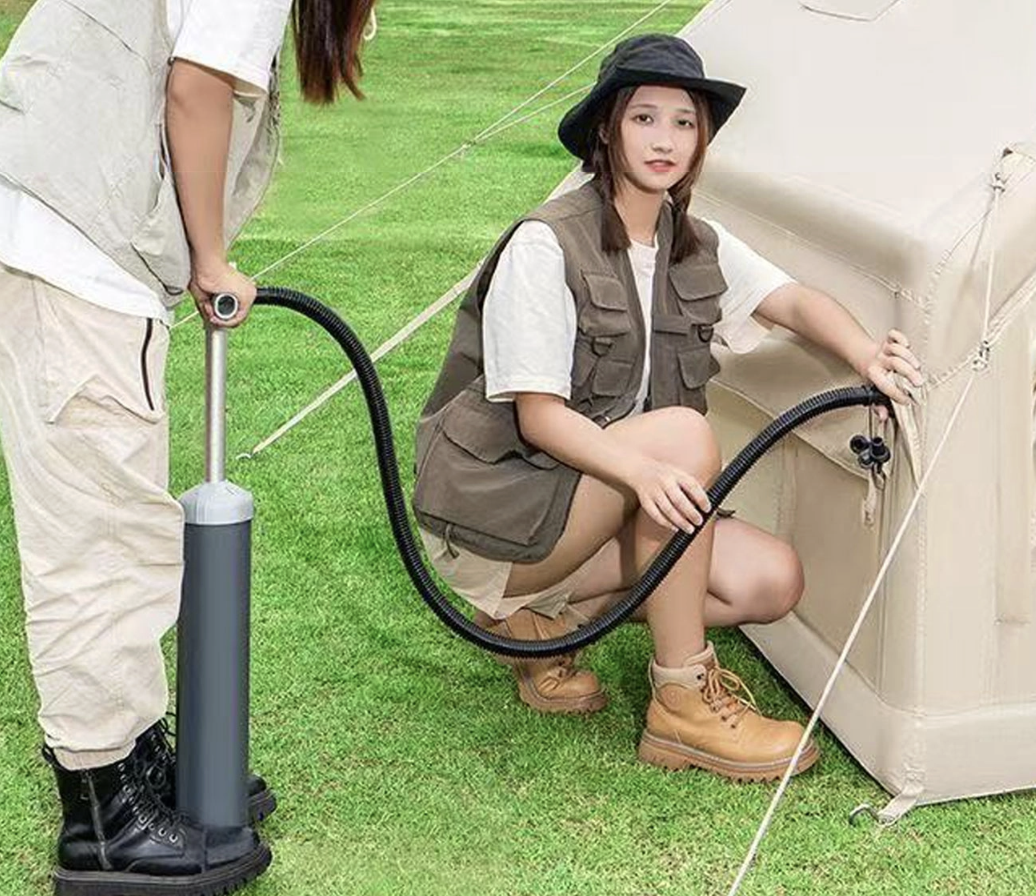
Pop-up tents are quick-assembly canopies ideal for trade shows, markets, and promotional events. They usually have collapsible frames, making them portable and easy to set up without tools. Inflatable tents use air beams instead of metal frames, offering lightweight and fast deployment. Both types emphasize branding opportunities, featuring custom printing for logos, colors, and designs. They’re perfect for short-term events needing visibility and convenience.
Stretch and Membrane Tents for Modern Events
Stretch tents use flexible fabric that can be pulled and anchored in various shapes, creating dynamic, eye-catching designs. They adapt well to irregular spaces and add a contemporary vibe to festivals, concerts, and outdoor markets. Membrane tents, like tension membrane structures, use engineered fabrics stretched over frames, offering durability and weather resistance. These tents often integrate advanced materials and engineering for rapid deployment and long-term use.
Applications of Commercial Tents in Various Industries
Commercial tents serve a wide range of industries, providing flexible, durable, and scalable solutions for different needs. Their versatility makes them essential for many sectors, from event hosting to emergency response.
Event Hosting: Weddings, Festivals, and Corporate Events
Commercial tents create elegant, weatherproof spaces for weddings, music festivals, and corporate gatherings. They offer customizable interiors and exteriors, allowing event planners to tailor the environment to match themes or branding. For example, clear span tents provide large, unobstructed spaces ideal for dance floors or exhibition booths. Frame tents work well for corporate events needing modular layouts. Pop-up tents offer quick setups for promotional booths or VIP lounges. These tents protect guests from rain, sun, and wind, ensuring events run smoothly regardless of weather.
Industrial Use: Warehousing, Storage, and Logistics
In industrial settings, commercial tents act as temporary warehouses, storage facilities, and logistics hubs. Their robust frames and weather-resistant fabrics protect goods from the elements. Industries like construction, oil and gas, and manufacturing use large clear span tents for storing machinery, raw materials, or finished products. The ability to quickly assemble and relocate these tents helps businesses adapt to changing site conditions and project timelines. Some tents include insulation and climate control, maintaining optimal conditions for sensitive equipment or inventory.
Emergency and Disaster Relief Shelters
During natural disasters or crises, commercial tents provide critical shelter and operational space. Their rapid deployment capability supports emergency response teams by creating temporary hospitals, command centers, and housing for displaced people. Military-grade tents with reinforced frames and flame-retardant fabrics ensure safety in harsh conditions. For instance, Sprung’s tension membrane structures are popular in disaster zones due to their durability and insulation, offering comfort and protection in extreme environments.
Military and Aviation Applications
Military and aviation sectors rely on commercial tents for temporary barracks, equipment storage, and maintenance hangars. These tents must meet rigorous standards for strength, mobility, and weather resistance. HTS TENTIQ’s carbon-hybrid frame technology exemplifies innovation in this field, providing lightweight yet sturdy solutions suitable for rapid deployment worldwide. Big Top Manufacturing supplies galvanized steel frame tents with flame-retardant PVC, ideal for aircraft hangars and mobile command posts.
Trade Shows and Exhibition Pavilions
Trade shows and exhibitions demand visually appealing, functional tents that support branding and visitor flow. Pop-up tents and modular clear span tents are common choices, offering easy customization and quick installation. Manufacturers like TentCraft and Eurmax specialize in branded pop-up canopies, helping businesses stand out at crowded venues. Larger clear span tents provide open floor plans for product displays, networking areas, and seminars, accommodating thousands of attendees comfortably.

Future Trends in Commercial Tent Manufacturing
Sustainable and Eco-Friendly Materials
The commercial tent industry is moving toward greener solutions. Manufacturers increasingly use recycled fabrics and eco-friendly coatings to reduce environmental impact. PVC alternatives, like TPU or PE fabrics, offer better recyclability and lower toxicity. Aluminum frames are also being sourced from recycled materials, cutting down on energy use. This shift helps businesses meet sustainability goals while maintaining tent durability.
Innovations in Fabric and Frame Technology
New fabric technologies enhance strength, flexibility, and weather resistance. For example, advanced PVC blends resist UV rays and mildew longer. Some tents now feature double-layer membranes for improved insulation and noise reduction. Frame designs use carbon fiber composites or hybrid alloys, making tents lighter yet stronger. These innovations speed up installation and improve lifespan, saving money over time.
Integration of Smart Technologies and Climate Control
Smart tents are gaining popularity, especially for luxury events and industrial uses. Sensors monitor temperature, humidity, and air quality inside tents, adjusting HVAC systems automatically. Some tents include solar-powered LED lighting and digital signage. Remote monitoring helps event managers control conditions from anywhere. This tech improves comfort, safety, and energy efficiency, especially in large or long-term setups.
Growing Demand for Customized and Luxury Tents
Clients want tents tailored to their brand and event style. Manufacturers offer bespoke shapes, colors, and printed graphics. Luxury tents now include transparent roofs, elegant interiors, and integrated furniture. Modular designs allow quick reconfiguration for different event phases. This trend pushes manufacturers to combine engineering with creativity, delivering unique experiences that impress guests and clients.
Expanding Global Reach and Support Networks
As demand grows worldwide, manufacturers expand their global footprint. They establish regional warehouses, local assembly teams, and after-sales support centers. This reduces shipping times and installation costs. Manufacturers also invest in training local partners, ensuring consistent quality and service. Global networks make it easier for clients to plan international events with reliable tent solutions.
FAQ
Q: What is a commercial tent and what are its typical uses?
A: A commercial tent is a durable, large-scale temporary structure used for events, industrial storage, or emergency shelters. They provide weather-resistant, customizable spaces for weddings, trade shows, military, and more.
Q: How do I choose the right commercial tent manufacturer?
A: Consider your project’s size, purpose, environmental needs, and required certifications. Evaluate manufacturers’ expertise, customization options, pricing, and after-sales support to find the best fit.
Q: Why are commercial tents preferred for large-scale events?
A: Commercial tents offer flexible, weatherproof spaces with clear span interiors and modular designs, ensuring safety, comfort, and adaptability for diverse event types and sizes.
Q: What factors influence the cost of a commercial tent?
A: Size, tent type, materials, weather resistance, customization, shipping, setup, and maintenance all affect commercial tent pricing. Factory direct purchases may reduce costs.
Conclusion
Selecting the best commercial tent manufacturer requires understanding your project’s size, use, and environment. Matching these needs with a manufacturer’s strengths ensures durable, safe, and customized tents. Commercial tents play a vital role in large events, offering flexible and weather-resistant spaces. Buyers should prioritize quality, certifications, and after-sales support for smooth operations. Huizhou Binyuan Plastic Products Co., Ltd. provides reliable, high-quality tents that deliver excellent value for diverse commercial applications.