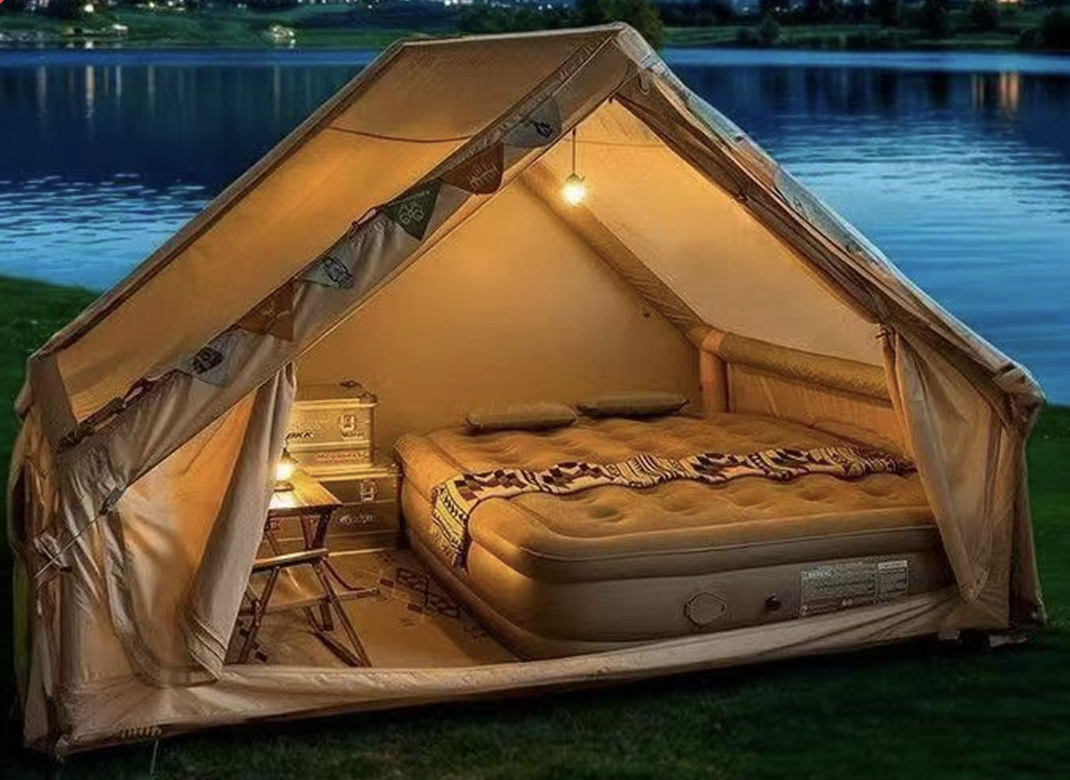
Outdoor camping keeps evolving. So do expectations for gear quality. In 2026, campers, retailers, and brands care more about performance, durability, and long-term value. Choosing the top 10 tent suppliers for quality camping gear 2026 is no longer about price alone. It’s about safety in harsh weather, comfort over long trips, and reliability after repeated use. This guide compares trusted tent manufacturers, highlights real-world strengths, and helps buyers identify the best camping tent suppliers for different needs, from backpacking to OEM sourcing.
Why Tent Quality Matters More Than Ever
Camping looks simple. Reality hits fast outdoors. Quality decides comfort, safety, and how the trip ends.
Safety, Comfort, and Performance in Outdoor Environments
A tent does more than block bugs. It protects people when weather turns rough.
Protection from extreme weather conditions
Heavy rain tests fabric coatings and seam sealing
UV exposure breaks down weak materials quickly
Snow load stresses poles and anchor points
Good tents keep water out. They stay reliable during long storms. Cheap fabrics soak, stretch, then fail.
Structural stability and wind resistance
Strong pole geometry handles shifting wind
Reinforced corners prevent sudden collapse
Secure guy lines reduce movement at night
Wind never asks permission. A stable tent stays quiet. Campers sleep instead of fixing problems.
Ventilation, condensation control, and sleeping comfort
Mesh panels improve airflow
Smart vent placement reduces interior moisture
Balanced airflow keeps sleeping bags dry
Condensation ruins mornings. Quality tents manage airflow so moisture escapes, not drips.
Long-Term Value vs. Low-Cost Tents
Long-term savings matter for both campers and businesses. Fewer replacements reduce annual costs. Reliable performance lowers return rates. Bulk buyers avoid hidden repair expenses. Trusted tent suppliers help control long-term spending. Warranty and after-sales support add real value. Spare parts extend tent lifespan. Repair services prevent total loss. Clear warranties build confidence. When choosing camping tent suppliers, long-term support matters as much as price.

How We Evaluated the Best Tent Suppliers in 2026
Choosing top tent suppliers takes more than brand recognition. We looked deeper. Real use matters.
Key Criteria for Ranking Top Tent Manufacturers
We focused on performance first. Marketing claims came second.
Material quality and fabric technology
Ripstop polyester for abrasion resistance
Silicone or PU coatings for waterproof protection
UV-treated fabrics for long-term outdoor exposure
Materials fail quietly. Strong fabrics hold shape. They resist tearing after repeated setups.
Design innovation and ease of setup
Intuitive pole layouts reduce setup time
Color-coded components prevent mistakes
Freestanding structures allow flexible pitching
Campers want fast shelter. They want it standing before weather arrives.
Weight-to-space ratio and packability
Interior volume measured against total packed weight
Compression size tested for backpacks and storage
Carry bags evaluated for durability
Lighter gear travels farther. Space inside still matters.
Performance across seasons and terrains
Wind testing in open areas
Rain simulation under prolonged exposure
Stability checks on sand, rock, and uneven ground
One tent rarely fits all. The best ones adapt.
Manufacturing Capabilities and Certifications
Good design needs strong manufacturing support. We verified production standards.
| Evaluation Area | Key Focus | Why It Matters |
| ISO, CE, REACH Compliance | Documented safety certifications, material traceability, third-party audits | Ensures camping tent suppliers meet global safety and regulatory standards |
| Quality Control & Factory Testing | Fabric strength tests, pole stress testing, final product inspections | Guarantees consistent quality and reliable performance |
| Sustainability Practices | Recycled fabrics, low-impact dyes, waste reduction processes | Supports eco-friendly manufacturing and long-term brand responsibility |
Top 10 Tent Suppliers for Quality Camping Gear 2026
The global camping tent market keeps growing as outdoor travel becomes more diverse. Each tent supplier now targets specific users, environments, and budgets. We evaluated these brands based on real-world performance, long-term reliability, and overall value rather than marketing claims.
1. Big Agnes
Big Agnes is widely known for lightweight tent engineering. They push material limits while maintaining interior comfort.
Advanced pole geometry improves structural stability
Ultralight fabrics reduce pack weight without sacrificing strength
Smart storage layouts increase interior livability
Their popular series work especially well for thru-hikers, bikepackers, and minimalist campers. It suits users who carefully track weight and space on long journeys.
2. MSR (Mountain Safety Research)
MSR designs tents for demanding conditions. Reliability and weather resistance guide every design choice.
Strong pole systems handle shifting wind and uneven ground
Durable fabrics resist prolonged rain and snow exposure
Straightforward designs speed up setup in bad weather
They perform well across rain, snow, and unpredictable climates. Ideal for mountaineers, explorers, and extended backcountry trips.
3. NEMO Equipment
NEMO places strong emphasis on livability. Interior comfort feels deliberate, not accidental.
Spacious floor plans allow easier movement
Thoughtful vent placement improves airflow
Lightweight construction remains practical for travel
They strike a solid balance between weight and comfort. Long-distance campers appreciate the extra room after long hiking days.
4. Hilleberg
Hilleberg leads the four-season tent segment. Their designs focus on extreme environments.
Tunnel tents maximize wind resistance
Geodesic structures support heavy snow loads
Premium materials extend long-term durability
These tents suit expeditions, polar travel, and high-altitude camps. Buyers invest for performance, not convenience.
5. REI Co-op
REI Co-op emphasizes value and accessibility. Their tents feel practical and user-friendly.
Reliable materials at reasonable prices
Designs adapt to multiple camping styles
Clear instructions reduce setup frustration
Beginners trust REI easily. Experienced campers continue using them for casual trips. Consistency builds long-term loyalty.
6. Marmot
Marmot focuses on durability and interior space. Comfort stays central.
Thicker fabrics improve abrasion resistance
Taller interiors increase headroom
Reinforced seams support long-term use
They work well for car camping and base camps. Weight increases slightly. Comfort increases noticeably.
7. Kelty
Kelty prioritizes accessibility and affordability. Simplicity defines their approach.
Straightforward designs reduce setup stress
Reliable materials handle casual outdoor use
Spacious layouts suit families and groups
Entry-level campers often start here. Kelty performs well for weekend trips and relaxed outdoor experiences.
8. Black Diamond
Black Diamond specializes in alpine and mountaineering tents. Efficiency matters most.
High-strength materials reduce overall load
Compact profiles manage wind exposure
Minimal interiors prioritize weight savings
Alpine climbers depend on them. Harsh terrain demands focus, precision, and reliable shelter.
9. Coleman
Coleman serves mass-market family campers. Convenience leads every decision.
Fast setup systems save time
Affordable pricing supports group camping
Wide interiors fit people and gear comfortably
They excel on short trips, campgrounds, and backyard use. Ease and familiarity win here.
10. The North Face
The North Face blends performance heritage and scale. Their tents support larger groups.
Durable fabrics handle extended outdoor use
Large designs suit group and base camping
Expedition roots influence structure and materials
They work well for guides, teams, and longer outdoor stays where durability and space matter.
| Supplier | Best For | Key Strength |
| Big Agnes | Backpacking | Ultralight design |
| MSR | Harsh weather | Durability |
| NEMO | Long trips | Interior comfort |
| Hilleberg | Expeditions | Four-season strength |
| REI Co-op | General camping | Value balance |
| Marmot | Base camps | Space and toughness |
| Kelty | Beginners | Affordability |
| Black Diamond | Alpine use | Weight efficiency |
| Coleman | Families | Ease of use |
| The North Face | Groups | Robust construction |

FAQ
Q: What is the most reliable tent supplier in 2026?
A: Reliability depends on use. Big Agnes and MSR lead performance-focused camping. Hilleberg excels in extreme environments. REI Co-op offers consistent value. For OEM sourcing, certified manufacturers remain dependable.
Q: How do I verify a tent supplier’s certifications?
A: Request ISO, CE, and REACH documents. Confirm them through third-party audits or certification databases. Reliable tent suppliers provide full traceability.
Q: Are OEM camping tents suitable for global markets?
A: Yes. OEM tents meet global demand when they comply with international safety, material, and labeling standards.
Q: How long does custom tent production take?
A: Custom tent production usually takes 30–60 days, depending on design complexity and order volume.
Conclusion
The camping tent market offers more choices than ever. Each supplier on this list serves a clear purpose, whether lightweight travel, family camping, or extreme expeditions. The top 10 tent suppliers for quality camping gear 2026 stand out because they deliver consistent performance, proven materials, and dependable support. For businesses seeking reliable OEM and ODM solutions, manufacturing strength matters as much as design. Huizhou Binyuan Plastic Products Co., Ltd. supports global brands through certified production, flexible customization, and stable supply chains, making it a trusted partner for high-quality camping tent manufacturing worldwide.