Introduction
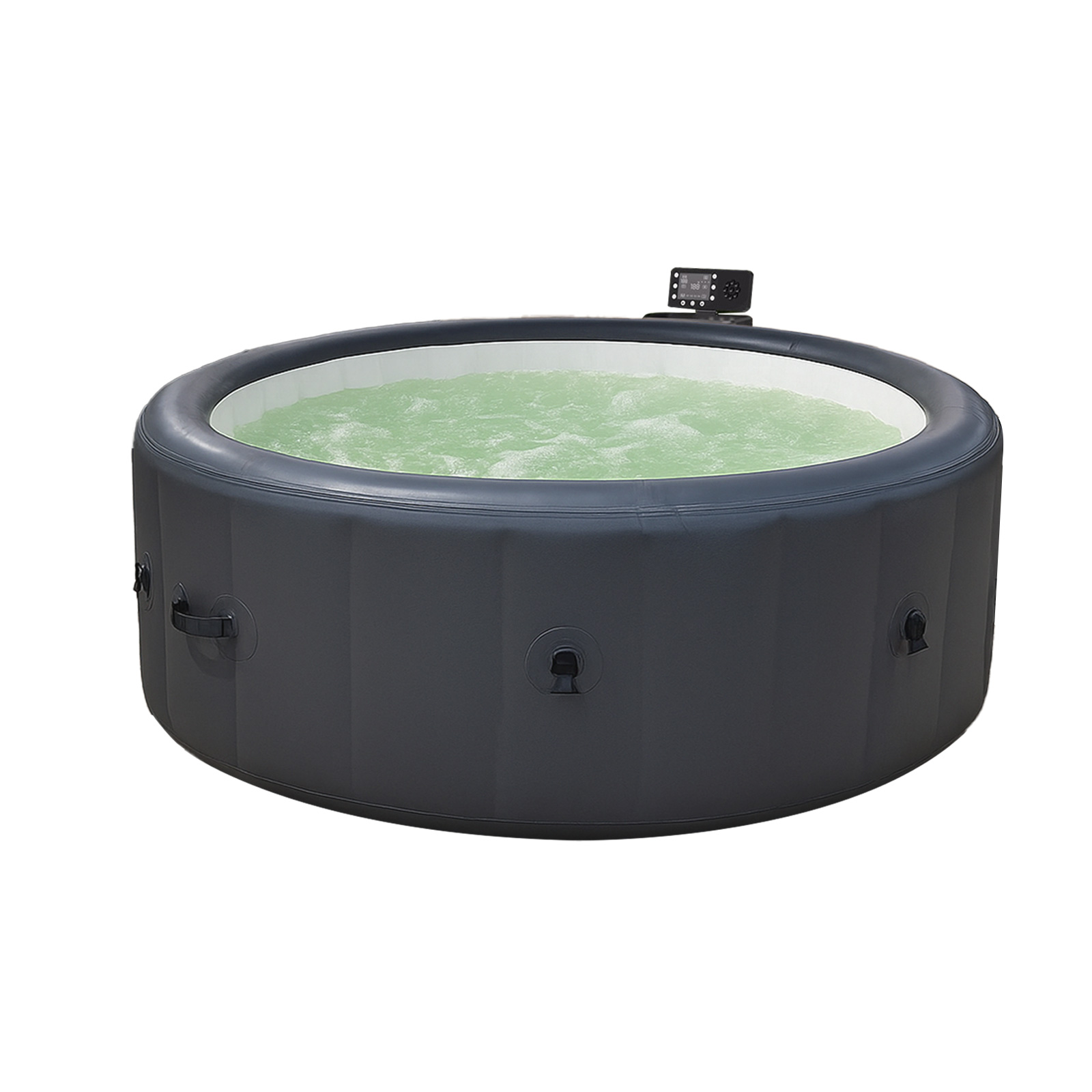
Are you tired of dealing with cloudy water or foul odors in your inflatable hot tub? Regular cleaning is essential to maintain its clarity, hygiene, and function. A clean hot tub not only prevents mold, algae, and mineral build-up, but it also extends its lifespan. In this guide, you’ll learn everything from essential cleaning supplies to step-by-step instructions for keeping your inflatable hot tub in top condition, ensuring a relaxing soak every time.
Why Clean Your Inflatable Hot Tub?
Importance of Regular Cleaning for Hygiene
Regular cleaning is essential to prevent the accumulation of harmful bacteria, algae, and mineral deposits in your inflatable hot tub. These contaminants can cause serious health issues, such as skin irritation, respiratory problems, or infections, if left untreated. Keeping your tub clean ensures the water remains clear, safe, and comfortable for every soak, allowing you to enjoy a healthy and hygienic spa experience.
Extending the Lifespan of Your Inflatable Hot Tub
An inflatable hot tub is a long-term investment that can provide years of relaxation if maintained properly. Regular cleaning and maintenance help prevent the build-up of debris, mold, and grime that can wear down the liner, pump, and other vital components. By taking proper care, you’ll avoid the risk of costly repairs and premature replacements, ensuring your hot tub serves you well for a long time.
Saving Time and Money
By keeping your inflatable hot tub clean and well-maintained, you can avoid costly deep cleaning sessions and the need for frequent part replacements. Regular cleaning ensures the tub’s components function efficiently, preventing potential breakdowns that can lead to expensive repairs. Consistent upkeep reduces the risk of major issues, making regular cleaning a smart investment that saves both time and money in the long run.
Essential Cleaning Supplies for Inflatable Hot Tub Maintenance
| Step | What you do | Tools / Equipment (use together) | Chemicals / Cleaners | What to focus on | Key cautions / best practices |
| 1 | Power down and prep | Power switch/breaker, dry towel, gloves | None | Keep the area safe before you start | Turn off the pump/heater first. Let water cool if it’s very hot. |
| 2 | Skim and remove loose debris | Skimmer net, small bucket (for debris) | None | Remove leaves, bugs, and visible dirt | Skim first so debris doesn’t smear on surfaces later. |
| 3 | Drain the tub | Garden hose, drain adapter (if needed), hose clamp | None | Empty water to a safe drainage area | Avoid draining onto lawns that can flood. Follow local drainage rules. |
| 4 | Rinse the shell (quick rinse) | Garden hose (soft spray), microfiber cloth | None | Rinse off loose grime before scrubbing | Use gentle spray pressure. Avoid blasting seams or valves. |
| 5 | Scrub the liner (inside walls + floor) | Non-scratch sponge, soft-bristle brush, microfiber cloth | Non-abrasive spa cleaner / mild all-purpose cleaner | Waterline ring, corners, folds, and textured areas | Avoid abrasive pads. They can scratch the liner and trap more grime later. |
| 6 | Clean the cover (inside + outside) | Soft brush, microfiber cloth, rinse hose | Mild cleaner (vinyl-safe if possible) | Oils, sunscreen residue, and mildew-prone edges | Rinse thoroughly. Residue can cause foam later. Dry fully after cleaning. |
| 7 | Clean jets and small crevices | Soft toothbrush/detail brush, cloth | 50/50 vinegar + water (optional for light scale) | Jet openings, seams, gasket edges | Don’t mix vinegar with chlorine products. Rinse after vinegar use. |
| 8 | Clean the filter (weekly routine) | Hose, filter comb (optional), spare filter (recommended) | Filter cleaning solution | Rinse between pleats where debris hides | Rinse from top to bottom. Don’t use high-pressure jets on the pleats. |
| 9 | Deep-clean the filter (soak) | Bucket/tub, spare filter for downtime | Filter cleaning solution (soak) | Oils + fine particles that rinsing won’t remove | Soak ~15 minutes (or per label). Rinse until water runs clear. Air-dry fully. |
| 10 | Decide: replace the filter | Replacement filter cartridge | None | Swap if it’s cracked, misshapen, or won’t rinse clean | Typical cycle: replace every 2–3 months (usage varies). Dirty filters cause cloudy water fast. |
| 11 | Clean pump exterior + connections | Dry towel, microfiber cloth, small brush | None (or mild cleaner on cloth) | Dust, splash marks, and connection areas | Keep water away from electrical parts. Check fittings for leaks. |
| 12 | Refill with fresh water | Garden hose (clean), pre-filter (optional) | None | Fill to the minimum/target fill line | Overfilling strains the system. Underfilling risks poor circulation and heater issues. |
| 13 | Balance water chemistry (startup) | Water test strips/kit, measuring scoop/cup | pH increaser/decreaser, alkalinity increaser (as needed) | Get pH and alkalinity stable before heavy sanitizing | Target ranges may vary by brand. Common targets: pH ~7.2–7.8, TA ~80–120 ppm (verify). |
| 14 | Sanitize and maintain weekly | Chemical floater/dispenser, test strips | Chlorine tablets or bromine tablets | Maintain steady sanitizer level for clean water | Don’t overdose. Keep floater away from the liner to avoid bleaching damage. |
| 15 | Prevent mold and algae between cleans | Cover, circulation timer, towel for drying | Sanitizer (chlorine/bromine) | Keep water moving, covered, and properly sanitized | Dry the liner and cover after cleaning. Moisture + warmth drives mold growth. |
| 16 | Troubleshoot: cloudy water or odor | Test kit, filter tools, spare filter | Sanitizer + pH adjusters (as needed) | Fix filtration + chemistry first | Cloudy water usually means dirty filter or imbalance. Correct both, then re-test in 24h. |
| 17 | Troubleshoot: low flow / weak jets | Filter tools, hose, flashlight | None (unless waterline cleaner is needed) | Blocked filter, low water level, or intake blockage | Clean/replace filter first. Confirm water level. Check for obstructions at intake. |
Tip: For B2B buyers (property managers, rentals, service teams), keep a “two-filter rotation” (one installed, one drying) to reduce downtime and speed up weekly service visits. If you ever use vinegar for scale, fully rinse first and never combine it with chlorine products in the tub or in the same bucket

Step-by-Step Guide to Cleaning Your Inflatable Hot Tub
Basic Cleaning (Daily or Weekly)
Performing basic cleaning on your inflatable hot tub daily or weekly helps keep the water clear and free from debris. Use a skimmer net to remove floating leaves and twigs, and wipe down the waterline with a soft cloth to eliminate any scum buildup. Don’t forget to rinse the filter at least once a week with a garden hose to ensure proper water circulation and prevent dirt accumulation.
Deep Cleaning (Monthly or Seasonal)
For a thorough deep clean, aim to clean your inflatable hot tub once a month or at the change of seasons. Begin by completely draining the water from the tub, then scrub the interior and exterior using a soft brush and non-abrasive cleaner. Clean and soak the filter in a special cleaning solution, rinse it well, and refill the tub with fresh water. Finally, adjust the chemical levels for optimal water quality.
How to Prevent Mould and Algae Build-Up
Mold and algae can quickly take hold if your inflatable hot tub isn’t properly maintained. To prevent their growth, regularly add chlorine or bromine to the water to keep it sanitized. Always cover the hot tub when not in use to protect it from debris and UV exposure. Additionally, dry the liner and cover thoroughly after cleaning to prevent moisture buildup and discourage mold growth.
Maintaining Chemical Balance and Water Quality
Testing the Water and Adjusting Chemicals
| Test Parameter | Ideal Range | What to Do |
| pH Level | 7.4 – 7.6 | If pH is too low (<7.4), add pH increaser. If pH is too high (>7.6), add pH decreaser. |
| Alkalinity | 80 – 120 ppm | If alkalinity is too low (<80 ppm), add alkalinity increaser. If too high (>120 ppm), lower by partially draining water and refilling with fresh water. |
| Chlorine Level | 1 – 3 ppm (for chlorine) | If chlorine level is too low (<1 ppm), add chlorine tablets or granules. If too high (>3 ppm), allow it to naturally dissipate or dilute with fresh water. |
pH Level: Measures how acidic or alkaline the water is. Keeping it between 7.4 and 7.6 ensures safe and comfortable water.
Alkalinity: This measures the water’s ability to resist changes in pH. If it’s too low, the pH may fluctuate, while high alkalinity can make it hard to adjust pH levels.
Chlorine Level: Ensures the water is sanitized. Too little chlorine can lead to bacteria growth, while too much chlorine can irritate the skin and damage the tub.
Sanitizing with Chlorine or Bromine
When sanitizing your inflatable hot tub, chlorine and bromine are the most commonly used options. Both have distinct advantages depending on the water temperature and your preferences. Here’s a quick comparison of each sanitizer:
| Sanitizer | Ideal Use | Advantages | Recommended Level |
| Chlorine | Best for cooler water (below 80°F / 27°C) | Fast-acting, effective against bacteria and algae | 3 – 5 ppm |
| Bromine | Best for warmer water (above 80°F / 27°C) | More stable at higher temperatures, longer-lasting | 3 – 5 ppm |
Preventing Cloudy or Discolored Water
Cloudy water usually indicates a filtration issue or improper chemical balance. If you notice cloudy water:
Check the Filter: A dirty or clogged filter can prevent proper water circulation.
Adjust Chemicals: Test the water and adjust the pH, alkalinity, or sanitizer levels as needed.
Preventing Damage to Your Inflatable Hot Tub
Checking for Leaks and Cracks
Regularly inspect your inflatable hot tub for cracks, punctures, or leaks in the liner. Damaged areas can cause water loss and lead to further damage if left untreated. Repair any damage immediately to maintain water integrity and avoid additional problems, ensuring your hot tub functions optimally for longer.
The Role of Covers and Protectors
Using a cover when your hot tub is not in use is essential for protecting it from debris, UV damage, and physical wear. It also helps to retain heat, reducing energy consumption and maintaining the water temperature, making your hot tub more energy-efficient and prolonging its lifespan.
Avoiding Overfilling and Underfilling
Maintaining the correct water level is crucial for the hot tub’s performance. Overfilling can strain the pump, while underfilling can lead to inefficient water circulation. Always ensure the water level is at least above the minimum fill line.
Troubleshooting Common Inflatable Hot Tub Issues
Cloudy Water or Odor
Cloudy water is often caused by poor filtration or an imbalance in chemicals. To resolve this, clean the filter thoroughly, adjust the water chemistry, and add more sanitizer if necessary. Once corrected, cloudy water should clear up within 24 hours. Regular maintenance helps prevent this issue from recurring and keeps the water clear.
Low Water Flow or Pump Issues
Low water flow can occur if the filter is clogged or the pump is malfunctioning. Regularly clean the filter and check for blockages in the pump system to ensure proper water circulation. If water flow issues persist despite cleaning, it may be necessary to replace the pump to maintain optimal performance.
Conclusion
Regular cleaning and maintenance of your inflatable hot tubensure it remains hygienic, functional, and enjoyable. By following simple steps like water testing, cleaning filters, and using proper sanitizers, you can extend the life of your tub and prevent common issues. Huizhou Binyuan Plastic Products Co., Ltd. provides high-quality, durable hot tub covers and accessories, helping to protect your investment and maintain optimal performance for years to come.
FAQ
Q: How often should I clean my inflatable hot tub?
A: It's recommended to perform basic cleaning weekly, such as removing debris and rinsing the filter. Deep cleaning, including draining the water and scrubbing, should be done monthly or seasonally to maintain your inflatable hot tub in top condition.
Q: Can I use regular cleaning products for my inflatable hot tub?
A: No, avoid using harsh chemicals or abrasive cleaners. Use non-abrasive spa cleaner and all-purpose cleaners specifically designed for inflatable hot tubs to prevent damage to the liner and ensure water safety.
Q: Why does my inflatable hot tub water look cloudy?
A: Cloudy water can result from improper filtration or chemical imbalances. Clean the filter, check water chemistry, and add more sanitizer if needed to restore clarity in your inflatable hot tub.
Q: How do I prevent mold and algae growth in my inflatable hot tub?
A: Regularly sanitize the water with chlorine or bromine, cover your inflatable hot tub when not in use, and ensure the tub is dried thoroughly after cleaning to prevent moisture buildup and discourage mold and algae growth.
Q: Can I use a bathtub SPA cleaner for my inflatable hot tub?
A: Yes, bathtub SPA cleaners can be used, but ensure they are non-abrasive and safe for inflatable hot tubs. Always check the product label to avoid using harsh chemicals that could damage the surface.