Introduction
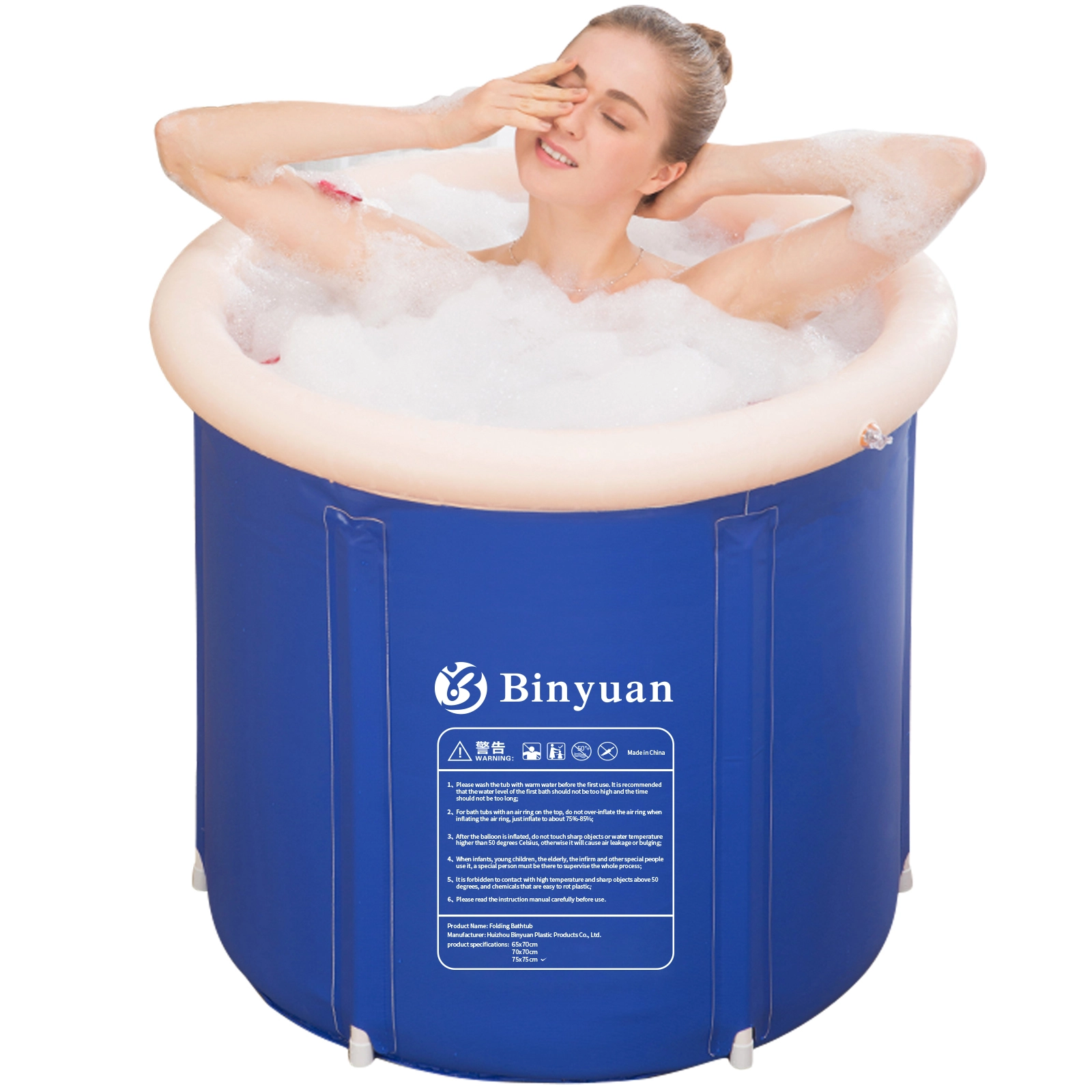
Inflatable hot tubs are becoming increasingly popular for their affordability and convenience. They offer a great way to enjoy a spa experience without the high costs of traditional models. But how long do inflatable hot tubs last? In this article, we'll explore the factors that affect the lifespan of inflatable hot tubs. You'll also learn how to maximize their longevity and determine if they are a good investment for your home.
What Affects the Lifespan of an Inflatable Hot Tub?
Material Quality and Construction
The lifespan of inflatable hot tubs is largely determined by the material used. While most are made of PVC, reinforced PVC with multi-layer construction (3-4 layers) offers better durability. High-quality models, such as those from Intex or Coleman, are more resistant to punctures and wear, making them last longer compared to standard PVC models.
Frequency of Use
Frequent use accelerates wear and tear on inflatable hot tubs, shortening their lifespan. Daily use, especially by multiple people, leads to quicker degradation. To extend the tub's life, limit usage to a few times a week or during specific seasons, and maintain it diligently if used often.
Environmental Factors
Environmental conditions such as sunlight, temperature fluctuations, and exposure to chemicals can significantly impact the lifespan of inflatable hot tubs. UV rays from the sun are particularly damaging to PVC material, breaking it down and making it brittle.
If your hot tub is left uncovered in direct sunlight, you can expect it to last only 2-3 years. Additionally, extreme temperatures, especially freezing cold, can cause the material to crack. Using covers when not in use can protect the tub from these damaging factors.
Storage and Maintenance
Proper storage and maintenance are essential for extending the life of your inflatable hot tub. Before storing, drain and dry it completely to avoid mold and mildew. Store it in a dry, climate-controlled space to prevent material degradation. Regularly clean the tub and balance water chemistry to prevent excess wear on the PVC material and internal components.
Typical Lifespan of Inflatable Hot Tubs
Standard Lifespan Range
On average, inflatable hot tubs last between 3 to 5 years. This range depends on factors like usage frequency, environmental exposure, and quality of construction. Budget-friendly models typically fall at the lower end of the lifespan range, while higher-end models can last longer with proper care.
Premium Models and Extended Lifespan
For premium inflatable hot tubs made with reinforced PVC and better construction, the lifespan can extend up to 7 years or more. Brands like Intex and Bestway provide models with added durability features like thicker PVC, better seam construction, and UV-resistant covers, which can significantly prolong their longevity.
Investing in these higher-end models may be worth it if you're looking for a hot tub that can last closer to the 5-7 year range, especially if you want one with additional features like built-in jets and advanced heating systems.
Comparison to Traditional Hot Tubs
While inflatable hot tubs offer a lower upfront cost, they generally don't last as long as traditional hard-shell tubs, which can last 10-20 years. Hard-shell models are built to withstand harsher conditions and have more robust structures. However, they come at a much higher price point and require more space for installation.
The decision between inflatable and traditional hot tubs depends on your budget and long-term spa needs. If you need a temporary, portable solution, an inflatable hot tub is ideal. But for those looking for a long-term investment and a more permanent setup, a traditional hot tub might be worth considering.

How to Extend the Life of Your Inflatable Hot Tub
Regular Maintenance
Regular maintenance is key to extending the life of your inflatable hot tub. Start by balancing the water chemistry—test the pH levels and sanitize the water regularly to keep it clean. Clean the filters every week and replace them as recommended by the manufacturer. Wipe down the inside and outside of the tub to avoid dirt buildup, which can lead to damage over time.
Protecting from UV Damage
To reduce UV damage, always cover your inflatable hot tub when not in use. UV rays break down the PVC material, leading to cracks and wear. You can also place the tub in a shaded area to minimize exposure to direct sunlight. Some hot tubs come with built-in UV-resistant covers, but using an additional tarp or cover will add extra protection.
Proper Storage Techniques
During the off-season or when not in use, make sure to store your hot tub properly. This involves draining all water, drying the interior and exterior thoroughly, and folding the tub neatly. Store it in a cool, dry location, away from extreme temperatures or moisture. For colder climates, you may want to disassemble the tub and keep it indoors during the winter months to avoid damage from freezing temperatures.
Handling Damage and Repairs
Minor punctures or leaks in inflatable hot tubs can typically be repaired using the included repair patches, which are easy to apply. For larger holes or damage near seams, professional repairs may be needed, or it could be more cost-effective to replace the tub. It's crucial to address small issues promptly, as delaying repairs can lead to further damage, compromising the tub's structural integrity and shortening its lifespan. Regular inspections help catch problems early before they become more serious.
Common Issues That Shorten the Lifespan of Inflatable Hot Tubs
Exposure to Harsh Elements
Inflatable hot tubs are particularly vulnerable to sunlight, freezing temperatures, and high winds. If left uncovered, prolonged exposure to direct sunlight will weaken the PVC, making it more prone to tears and cracks. Similarly, freezing temperatures can cause the material to become brittle and break.
Chemical Damage
The use of chemicals like chlorine and bromine is essential for maintaining clean water, but excessive amounts can degrade the PVC lining over time. Always follow the manufacturer’s guidelines for chemical levels and balance them regularly to avoid damage.
Physical Wear
Punctures, cracks, and stress on seams and valves are common issues that reduce the lifespan of inflatable hot tubs. These stress points often occur during storage or if the tub is used on rough surfaces. Using a ground cloth beneath the tub and avoiding sharp objects around it can help prevent these issues.
Improper Use and Storage
Storing an inflatable hot tub in damp or unprotected spaces can lead to the growth of mold and mildew, which can cause unpleasant odors and damage the material. The PVC material can deteriorate over time due to moisture exposure, weakening its structure and reducing its lifespan. To prevent this, always ensure the tub is thoroughly drained, cleaned, and dried before storing it. Store it in a cool, dry place, ideally in a climate-controlled environment, to protect it from moisture, temperature extremes, and potential long-term damage.
Cost Considerations and Value of Inflatable Hot Tubs
Affordability vs. Longevity
| Factor | Inflatable Hot Tubs | Traditional Hot Tubs |
| Upfront Cost | Lower, more affordable | Higher initial investment |
| Lifespan | Shorter, typically 3-5 years | Longer, typically 10-20 years |
| Maintenance Costs | Generally lower, but can add up with frequent replacements | Higher maintenance costs but less frequent replacements |
| Best For | Temporary use, budget-conscious buyers, portability | Long-term investment, homeowners seeking durability |
| Cost vs. Lifespan | Lower upfront cost, but shorter lifespan | Higher initial cost, but better value over time |
Operational Costs
In addition to the initial purchase price, operational costs, such as energy consumption and maintenance, should be considered. Inflatable hot tubs are typically less energy-efficient than hard-shell models due to the lack of insulation. Expect to pay more for electricity, especially in colder climates.
Key Factors to Consider When Choosing an Inflatable Hot Tub
Material Quality and Durability
| Factor | Description | Impact on Lifespan |
| PVC Quality | Standard PVC vs. Reinforced PVC with mesh layers | Reinforced PVC increases durability, while standard PVC tends to degrade faster. |
| Multi-layer Construction | 3-4 layers of PVC with internal mesh reinforcement | Multi-layer construction offers better resistance to wear, punctures, and UV damage. |
| UV Protection | Built-in UV-resistant covers or additional external covers | UV protection can significantly extend lifespan by protecting from sun damage. |
Heating and Energy Efficiency
| Factor | Description | Impact on Lifespan |
| Energy Consumption | Power consumption for heating and running the pump | Higher energy consumption can lead to higher operational costs, especially in colder climates. |
| Insulation | Degree of insulation in the tub’s walls | Better insulation helps maintain water temperature, reducing strain on the heating system and increasing energy efficiency. |
| Heating Time | Time taken to heat the water to the desired temperature | Longer heating times can stress the heating element, reducing its lifespan. Faster heating is better for energy conservation. |
Conclusion
Inflatable hot tubs typically last 3 to 5 years, but with proper care, high-quality models can last up to 7 years or more. Factors like material quality, usage, and maintenance influence their lifespan. Regular maintenance, UV protection, and proper storage can extend their life.
For budget-conscious buyers or those seeking portability, inflatable hot tubs are ideal. However, for long-term use, a traditional hard-shell tub may be better. Huizhou Binyuan Plastic Products Co., Ltd. offers durable, high-quality inflatable hot tubs, providing great value with reliable performance for years of enjoyment.
FAQ
Q: How long do inflatable hot tubs last?
A: Inflatable hot tubs typically last between 3 to 5 years with proper care, but high-quality models can last up to 7 years or more, depending on material and maintenance.
Q: Can inflatable hot tubs be used year-round?
A: Yes, inflatable hot tubs can be used year-round, but they may struggle to maintain heat in colder temperatures. Additional insulation is recommended for winter use.
Q: How can I extend the lifespan of my inflatable hot tub?
A: To extend the lifespan of inflatable hot tubs, regularly clean and maintain the water chemistry, use a cover to protect from UV damage, and store it properly during the off-season.
Q: Are inflatable hot tubs more affordable than traditional ones?
A: Yes, inflatable hot tubs are generally more affordable than traditional models, but they have a shorter lifespan and less durability.
Q: What should I do if my inflatable hot tub gets punctured?
A: Most inflatable hot tubs come with repair patches for small punctures. For larger damages, you may need to seek professional repairs or consider replacement.